How to Choose a PCBA Manufacturer for OEM & ODM Projects
What Is the Strategic Value of OEM and ODM PCBA Partnerships?
When you build new hardware, picking the right factory team sets the tone for your whole product run. Choosing how much work to keep inside your own office versus handing off to outside pros changes how your supply chain flows.
Defining OEM vs. ODM in Electronics Manufacturing Services (EMS)
An OEM PCBA factory builds circuit boards based strictly on your exact files. You send over the Gerber layouts and the bill of materials, and they put the pieces together. An ODM PCBA partner steps in much sooner to help design the core layout and offer engineering advice from day one.
Strategic Advantages of Outsourcing PCBA
Sending production out saves you from spending big money on heavy pick-and-place machines and renting massive assembly floors. It plugs you right into global supply networks so you can ship products out the door much faster. Buying all that gear yourself eats up too much cash, which makes outside manufacturing a smart bet.
Core Manufacturing Capabilities and Technical Competence
A clean lobby looks nice, but real engineering skill tells you if your circuit boards will survive daily use. You need to check their actual machine lines and daily processes.
End-to-End Process Chain Integration
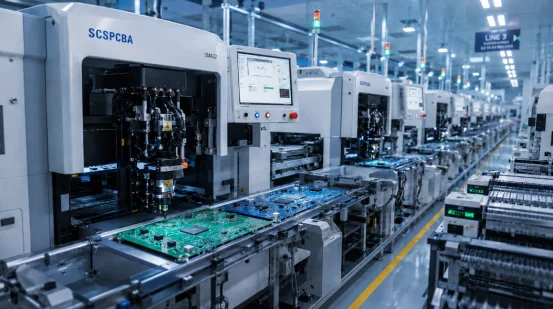
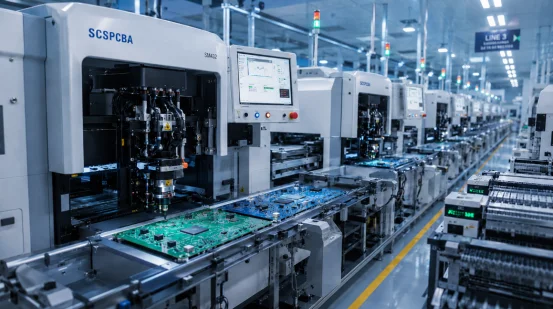
The best partner handles the whole job under one roof. This means they take care of bare board fabrication, surface mount technology (SMT) runs, through-hole insertion, and final box builds all in one spot. Splitting these steps across different vendors just leads to wasted time and miscommunication.
High-Precision Automation and Equipment Configuration
Check what kind of placement gear they run on the floor. Quality SMT lines should easily handle tiny 01005 parts and tight BGA chips. If they also build complex multilayer boards and flexible circuits, you know they have solid technical depth.
Stringent Quality Assurance and Compliance Standards
Checking quality is not just a quick glance right before a box gets taped up. It means keeping an eye on every single step so bad parts get caught early.
Multi-Tiered Inspection Methodologies
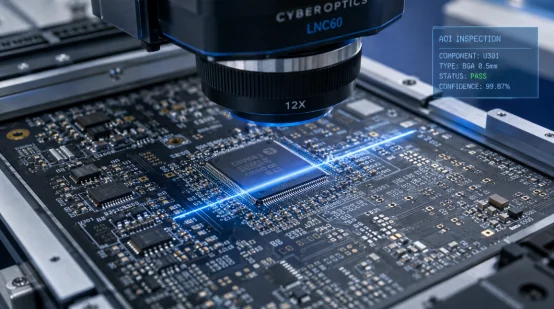
Serious mass production relies on heavy machine testing. Shops use 3D solder paste inspection right away to catch print errors, optical cameras to spot shifted parts, and X-Ray units to check hidden BGA joints. Electrical and functional tests make sure the board works before it ships.
Industry-Specific Certifications
Always verify their shop paperwork. A standard ISO 9001 badge is a good baseline. If your hardware goes into cars or medical devices, you must look for factories holding ISO 13485 and IATF 16949 certificates. IPC-A-610 rules guide how solder joints should look across the whole industry.
Supply Chain Resilience and Component Sourcing Management
You cannot finish a build if key microchips are stuck overseas or suddenly out of stock. Strong supply chains keep your schedule on track.
Turnkey PCBA Solutions vs. Consigned Modalities
Buying your own unique chips makes sense if you use rare parts. However, using turnkey PCBA solutions lets the team buy everything for you. They source parts worldwide, check the BOM, and run strict incoming tests to keep fake parts out.
Traceability and Digital Execution
Modern plants use digital software to track every single resistor on the line. If a batch of chips acts up later, system tracking helps trace exactly which boards got those bad parts.
Engineering Support and Design for Manufacturability (DFM)
A layout might look great on your computer screen, but give headaches on the assembly line. Good engineering teams catch those physical traps early.
Pre-Production Analytical Review
A design check looks for spacing errors and signal noise before anything hits the production line. Catching a hot running chip placed next to a weak sensor saves you from massive redesign costs later.
New Product Introduction (NPI) and Prototyping
Building a few test samples proves your layout works, but NPI gets it ready for big runs. The shop needs to transition smoothly from tiny test batches into full volume without dropping quality.
Advanced Digitalization and Global Delivery Infrastructure
Old-school quoting via email slows projects down. Modern hardware teams need fast data and flexible shipping hubs.
AI-Driven Quotation and Procurement Systems
Waiting days for a price quote hurts your timeline. Look for sites with AI smart online PCBA quotation tools. These systems read your design files in minutes to give you clear pricing right away.
Strategic Multi-Base Manufacturing Layout
Depending on one single factory spot brings real risks. A global multi-base PCBA manufacturing setup balances out labor costs and keeps shipping safe if local supply chains lock up. Having plants in different regions gives you a handy safety net.
Finding the Right Partner for Your Electronics Manufacturing Needs
When picking a full-service production partner, finding a mix of heavy machine power and smart digital tools matters. One example of this setup is SCSPCBA, a trusted shop running factories in China and Vietnam. They build everything from simple boards to complex 30-layer designs alongside micro-part SMT placement and box builds. Their setup stands out because they use an AI quoting tool that reads your BOM and Gerber files instantly, skipping the old email wait.
They hold strict paperwork like IATF 16949 and ISO 13485, backed by full digital tracking. If you want an OEM and ODM partner built for small tests and big runs alike, this setup gives you steady results.
FAQ
Q1: What is the difference between turnkey and consigned PCBA?
A: Turnkey PCBA means the shop buys all parts and builds the board. Consigned PCBA means you ship your own parts to the factory for them to solder.
Q2: Why is a DFM review necessary before production?
A: DFM checks catch layout bugs and spacing traps early. Fixing those items before production starts saves you from bad batches.
Q3: What quality certifications should a medical device PCBA manufacturer hold?
A: Medical boards require shops to hold ISO 13485 certification. This proves they follow strict safety and tracking rules.
Q4: How does AI smart quotation improve the ordering process?
A: AI quote tools scan your design files in minutes to spit out clear pricing. This cuts out slow email chains and speeds up your launch.
Q5: What equipment is needed to mount ultra-small components like 01005?
A: Placing tiny 01005 parts needs fast placement machines with sharp vision cameras and high accuracy. It also requires 3D paste inspection to check print quality.





Leave a Reply
Want to join the discussion?Feel free to contribute!