Entries by administrator

The Key Role of Nitrogen Reflow Oven in Printed Circuit Assembly

Boost PCB Soldering Quality with Nitrogen Reflow Oven in SMT Assembly

The reflow process is widely used in the surface mount technology soldering stage in printed circuit board assembly manufacturing. As one of the core links in the entire SMT process, reflow’s stability and soldering quality directly determine the yield and reliability of the entire printed circuit board production. The use of a nitrogen reflow oven for automotive PCB assembly, medical electronics, and other high-end applications has become essential to improve solder joint reliability with nitrogen and reduce oxidation risks in modern SMT assembly.

What’s Nitrogen Reflow Soldering?

In the electronic manufacturing process, reflow soldering is a key process that melts solder paste through a controlled temperature curve to firmly connect surface mount components (SMT components) to circuit board pads. However, in the traditional reflow soldering environment, oxygen in the air is very easy to contact with solder to form an oxide layer, which in turn causes problems such as black solder joints and loose soldering, reducing product consistency and reliability.

To meet this challenge, PCB board manufacturers have introduced nitrogen protection reflow soldering technology. In this process, the entire heating area is filled with high-purity nitrogen, which greatly reduces the oxygen concentration and effectively inhibits the occurrence of solder oxidation reactions. As an inert gas, nitrogen does not participate in chemical reactions and can provide a purer and more stable environment for the welding process.

The application of nitrogen not only helps to improve the wettability and finish of solder joints, but also significantly reduces the volatilization and decomposition of flux, and improves the overall controllability of welding.

Nitrogen reflow ovens are widely adopted in high-quality SMT soldering solutions across automotive electronics, medical PCB assembly, and industrial control systems, where defect-free solder joints are critical.

nitrogen reflow soldering process

Why Use Nitrogen in SMT Reflow Process?

1. Improve Solder Joint Reliability

Nitrogen has good anti-oxidation properties, which can effectively reduce the consumption of flux, reduce the risk of solder ball splashing and bridging, and make the solder joints brighter, fuller and more reliable, especially suitable for welding fine-pitch devices (such as QFN, BGA, CSP, etc.).

2. Reduce Defects Like Bridging and Voids

SMT reflow process in a nitrogen environment can reduce defects such as tin beads, cold solder joints, and false solder joints, further improve the soldering yield of PCB board production, and reduce the cost of post-rework.

3. Enhance Lead-Free Soldering Performance

Lead-free solder joints are easy to oxidize, have a high melting point, and have more stringent requirements on the welding environment. Nitrogen reflow ovens provide better protection and ensure welding stability during RoHS lead-free soldering processes.

Applications Across Different PCB Types

During the printed circuit board assembly process, different types of PCBs have significantly different requirements for the welding environment. Nitrogen reflow oven, with its low oxygen and stable heating atmosphere, has become an important tool to improve welding quality and meet high-end assembly needs.

1. Nitrogen Reflow for Double-layer PCB

The structure is relatively simple, but there may still be problems with tin bead splashing or welding offset in high-density SMT. Using nitrogen reflow can effectively improve the melting and wetting process of solder paste, reduce defects such as cold solder joints and bridging, and improve the overall assembly yield.

Double-Layer circuit PCB board is widely used in consumer electronics, smart homes and other products that require both cost and stability.

2. Multilayer and HDI PCB Assembly Benefits

For circuit boards with more than 8 layers used in GPU motherboards, communication servers or industrial control equipment, the role of nitrogen reflow oven is more significant.

The internal lamination structure of multilayer boards is complex, the pad density is high, and the BGA or QFN package spacing is small. Any oxidation of solder joints will affect the consistency of electrical connections. By welding in an inert gas atmosphere, the generation of oxide layers can be significantly reduced, ensuring the wettability and morphology of solder joints, which is particularly suitable for high-density interconnect (HDI) assembly electronics.

3. Rigid-Flex PCB: Thermal Shock Protection

The combination of flexible and rigid materials is used in high-end electronic devices such as folding mobile phones, wearable devices, and drone power modules. Because the flexible area is extremely sensitive to thermal stress, traditional air reflow ovens are prone to PI material delamination or cracking. The temperature control during nitrogen welding is more uniform, effectively preventing thermal shock and helping to maintain the integrity of flexible circuits.

4. High-Frequency PCB: Preserve Signal Integrity

High frequency PCB board fabrication is extremely sensitive to the welding process, especially worried about high temperature causing the dielectric constant of the material to change or surface carbonization, affecting signal integrity. Nitrogen environment effectively isolates oxygen, avoids surface ablation of high frequency materials, ensures the accuracy of impedance control, and helps achieve stable high-speed signal transmission. It is widely used in 5G communication boards, millimeter wave radar control boards, etc. with high-frequency dielectric materials such as PTFE and Rogers.

5. Aluminum PCB: Improve Large Pad Wetting

Aluminum PCB has excellent thermal conductivity, but the pad area is large and the heat capacity is high, and the solder wetting is often insufficient. Under nitrogen protection, the flux evaporates more gently and the solder joints are more complete, thereby improving the consistency of large area pad welding and reducing voids and open welding. It is used in high-power LED lighting, automotive headlights, power modules and other products.

nitrogen reflow soldering completes the soldering of BGA

Typical Use Cases in High-Reliability Industries

1. Automotive Electronics Manufacturing

Automotive control units (ECUs), ADAS systems, etc. have extremely high requirements for solder joint reliability. Using a nitrogen reflow oven can ensure the stability of solder joints under long-term high temperature and high vibration, and improve the safety of automotive pcb assembly.

2. Medical Electronic Equipment

Medical electronics such as ECG monitors, smart wearable medical devices, etc. have strict requirements on the reliability and safety of printing circuit boards. Nitrogen welding can effectively reduce the risk of solder joint voids and bubbles.

3. 5G and Communication Equipment

The multi-layer PCB boards of high-speed network communication equipment have a compact layout and high heat dissipation requirements. Nitrogen reflow ovens can complete the welding of high-end devices such as BGA under precise temperature control and inert atmosphere.

4. Others

Applicable to high-precision and ultra-high requirements in semiconductors, aerospace, industrial control, electronics, 5G communications, LEDs and other fields

Equipment Configuration and Process Characteristics

A standard nitrogen reflow oven is usually equipped with:

  • Multi-zone independent temperature control (commonly 8 or 10 zones)
  • Nitrogen concentration automatic detection and adjustment system
  • Gas energy-saving recovery device
  • Precision temperature curve programming and real-time monitoring

In the printed circuit board assembly process, SPI detection (solder paste thickness), SMT placement stage, AOI detection and other steps are usually carried out before reflow soldering. Reflow soldering is the “stereotype” link to ensure the stability and reliability of the entire patch. The use of nitrogen protection is a plus point to ensure the stability of the solder joints.

Points to Note When Using A Nitrogen Reflow Oven

  • Control nitrogen purity and flow rate

It is usually recommended that nitrogen purity be ≥99.99%. Too high or too low flow rate will affect the welding effect.

  • Match with a reasonable temperature curve

The temperature zone control should be adjusted according to the thermal sensitivity of different components to prevent overheating or insufficient welding.

  • Energy-saving control system configuration

It is recommended to use equipment that supports nitrogen recovery and intelligent gas replenishment to reduce operating costs.

Looking for high-reliability PCB assembly?

Contact us today to explore how nitrogen reflow ovens can improve your product quality and manufacturing efficiency.

Frequently Asked Questions about Nitrogen Reflow Ovens

What’s the best reflow oven for medical electronics?

Nitrogen reflow ovens are ideal due to their low-oxidation environment, ensuring safe and reliable connections for critical medical PCBs.

Why use nitrogen reflow oven for automotive PCBA?

It provides high solder joint reliability even under harsh thermal and vibration conditions in automotive systems.

How does nitrogen improve SMT soldering?

It minimizes oxidation, improves wettability, and ensures high-quality SMT soldering solutions across various PCB types.

SCSPCBA Dragon Boat Festival Holiday Notice 2026 with AI quotation system available 24/7 during the holiday period.

3D printer manufacturing prototype parts for turnkey PCBA projects with free 3D printing support from SCSPCBA

SMT templates and fixtures for PCB assembly

SMT templates and fixtures for PCB assembly : How to choose and control quality

In SMT (surface mount technology) production, SMT templates (also known as steel mesh) and various auxiliary fixtures are key tools to ensure welding quality and production efficiency. The surface mount template is used to control the amount and position of solder paste printing, while the fixture is used to fix the circuit board to prevent deformation and ensure the consistency of components during reflow soldering and testing. They may seem simple, but they greatly impact yield and production capacity.

What is an SMT template?

An SMT template, a steel mesh, is a thin precision metal plate with holes corresponding to component pads punched out by laser or chemical etching. The solder paste is evenly applied to the circuit board pads through these holes. The material of the steel mesh is usually stainless steel, which ensures both strength and good corrosion resistance. The thickness of the SMT template and the precision of the holes directly determine the uniformity of solder paste printing, thus affecting the reliability of welding.

intelligent smt steel plate storage area

How to choose the appropriate SMT stencil thickness?

In the surface mount technology process, the thickness of the stencil is crucial to the quality of solder paste printing and subsequent soldering effect. The commonly used stencil thickness ranges from 0.1mm to 0.2mm, which is usually determined based on the pad size, device package type and PCB assembly process.

  • Due to the dense pins and extremely small pad spacing in fine-pitch BGA or QFN components, a thin steel mesh with a thickness of 0.1mm0.12 mm is selected to avoid excessive solder paste causing bridging.
  • This type of steel mesh, with fine control of the tin amount, is more dependent on performing high-density PCB assembly.
  • When it comes to soldering through-hole components or larger pads, when more tin filling is required, the appropriate use of a 0.15mm~0.18mm steel mesh can improve the strength of the solder joints.

In terms of materials, most SMT stencils are made of 304 or 316 stainless steel, which has excellent corrosion resistance, strength and durability.

  • Laser cut SMT stencil, which has moderate cost and wide application, is also the most common type of solder paste template;
  • Electroformed stencil, which is widely used in high-precision printed circuit board assembly due to its smooth hole wall and high solder paste release rate
  • Nano coated stencils, which have high opening position accuracy, reduce solder paste residue, and improve release rate, are suitable for complex surface mount electronic components tasks and electronic assemblies production

A high-quality steel mesh not only improves welding quality but also effectively reduces defect rates, reduces rework and scrap costs, and has a positive impact on the entire SMT manufacturing processing flow.

How to check the quality of SMT stencils?

In the process of SMT patch and printed circuit manufacturing, a high-quality stencil must not only have good dimensional accuracy, but also meet a series of process standards:

(1) Stencil frame size

Check whether it is compatible with the automatic printing machine. The stencil frame structure must have sufficient rigidity and elasticity to ensure that the stencil is not easily deformed during high-speed printing.

(2) Stencil tension

The higher the tension, the better the mesh tension, and the more uniform the solder paste printing. Due to mesh relaxation, there will be no printing offset or uneven solder amount.

(3) Stencil appearance

Whether there are defects such as deformation, cracks, corrosion or contamination. For high-precision circuit boards, such as circuit board with BGA, each opening must be microscopically inspected to check whether the hole edges are clean and smooth and whether there are burrs or oxidation residues on the inner wall.

(4) Precise alignment inspection

Place the PCB to be mounted under the stencil and observe whether the leak hole and the pad are 100% overlapped. If there is misalignment, repeated holes or missing pad positions, it will directly affect the patch accuracy and welding quality.

Solder paste being printed on the stencil

Indispensable fixture equipment in PCB assembly

In the entire process of pcb board assembly, in addition to the role of SMT steel mesh in precise solder paste printing, various auxiliary fixtures also play an irreplaceable role. These fixtures provide precision assurance, thermal deformation control and automatic adaptation support for SMT patch, DIP plug-in, reflow soldering and testing & inspection.

(1) Positioning fixture

Commonly used on patch machines to ensure stable positioning of circuit boards during the mounting process to prevent component offset or poor soldering due to slight movement. Especially in high-speed SMT mounting, accurate positioning is particularly important for PCB boards with small size or soft board material.

(2) Anti-warping support fixture

Mostly used in double-sided patch or reflow soldering. Under high-temperature reflow curve, some large-size boards or thin boards are prone to board warping, affecting the quality of solder joints. The fixture support structure can effectively alleviate thermal stress concentration, maintain PCB flatness, and improve soldering reliability. It is particularly suitable for high-density multilayer PCB and rigid-flex PCB.

(3) Functional test fixture

During the PCBA testing phase, the functional test fixture can quickly achieve the connection between the circuit board and the automated testing equipment, and is compatible with a variety of test probes or connector interfaces. It is a key tool to ensure the consistency and functional integrity of the product before it leaves the factory.

(4) Flip-board fixture

For the double-sided mounting process, a flip-board fixture is also used. This fixture has a flexible structural design and can be used to accurately flip the PCB board after one side is mounted, so that the second side can continue to be mounted and soldered. It is an important auxiliary device to improve production efficiency and accuracy.

The importance of SMT templates and fixtures to PCB Assembly

In printed circuit board production, SMT templates (stencils) and various fixtures constitute the basic guarantee tools for surface assembly processes. It is not only related to the accuracy of solder paste printing, but also directly affects the consistency of component placement, welding quality and overall production line efficiency, and is the key to achieving high-yield PCB and assembly.

The SMT stencil template is used to accurately print solder paste to the pad area, and finely control the corresponding component package size, pitch and PCB pad shape to ensure the accuracy of subsequent patching. For BGA with high-density wiring, the thickness, opening size and smoothness of the stencil are particularly critical. High-quality laser-cut stencils combined with electropolishing process can significantly improve the efficiency of solder paste release and avoid welding defects such as short circuits and bridges.

Auxiliary fixtures are widely used in multiple stages such as SMT patch, reflow soldering, THT plug-in, flip board, assembly and functional testing (FCT). For example, positioning fixtures ensure that the PCB does not shift during mounting and welding; support fixtures prevent PCB board warping or stress concentration at high temperatures, which is especially important for large-size boards or multi-layer HDI PCBs; test fixtures are used in conjunction with ICT or FCT platforms to achieve fast and efficient electrical testing.

In the process of moving towards automated assembly and lean manufacturing, the standardization and customization of templates and fixtures are particularly important. By connecting with MES system data, they can also help achieve process traceability and improve production transparency.

In summary, SMT templates and fixtures are not only the “invisible protagonists” of PCB Assembly, but also an important guarantee for improving process capabilities, reducing defect rates, and accelerating delivery cycles. A set of reasonably matched and structurally optimized fixture systems is an indispensable core capability for one-stop printed circuit board manufacturers to move towards high-end manufacturing.

Using a fixture to perform functional testing on the pcba board

Small details determine great quality

Although SMT templates and fixtures seem to be “auxiliary materials”, they play an irreplaceable role in PCB board assembly. From template thickness to fixture structural design, every detail is related to circuit board quality and scspcba PCBA manufacturer image. Only by continuously controlling template processing quality, designing fixtures on demand, and cooperating with advanced mounting technology can we support today’s stringent requirements for high density and high reliability in electronic manufacturing.

SCSPCBA Dragon Boat Festival Holiday Notice 2026 with AI quotation system available 24/7 during the holiday period.

3D printer manufacturing prototype parts for turnkey PCBA projects with free 3D printing support from SCSPCBA

How To Save PCBA Manufacturing Costs To The Maximum Extent?

How to save PCBA manufacturing costs to the maximum extent? A customer’s printed circuit board optimization story

When Noemi first contacted SCSPCBA, he was in the early stages of his business, with only a preliminarily completed prototype of a health smartwatch and a long list of imaginative features: heart rate monitoring, blood oxygen tracking, sleep analysis, and fall reminders for the elderly… These features all rely on precise electronic design and stable manufacturing support. However, he knew very well that printed circuit boards and subsequent PCBA manufacturing were the most expensive parts of health AI hardware. Once costs get out of control, mass production plans will fall through. But he also understood that if the design is optimized from the source, the selection is reasonable, the mounting is streamlined, the testing process is standardized, and the PCB board production cost is controlled, this device will have the opportunity to enter thousands of households truly. Noemi is not the only hardware entrepreneur with this problem, and SCSPCBA is the “money-saving key” he found.

Step 1: Save money from PCB design

The first generation prototype drawings brought by Noemi were fully functional but had messy wiring, complex board layers, and serious redundant interface stacking. After the first round of evaluation, the engineering team of SCSPCBA decided to reconstruct the entire circuit architecture, starting from optimizing printed circuit board design. SCSPCBA streamlined the original 6-layer PCB board to 4 layers, while compressing the routing length and removing unenabled communication interfaces (such as redundant UART and spare BLE module interfaces). This step directly saved more than 20% of the pcb board fabrication cost and the subsequent mounting difficulty of health wearable devices.

While reorganizing the stacking structure of the circuit board, the wiring symmetry and ground layer distribution of key chips were optimized, and the signal integrity and electromagnetic compatibility performance were improved. For Noemi, this means not only saving money, but also ensuring the long-term stable operation of health smart watches in the medical and health field.

Step 2: Component optimization plan, optimize 30% of space saving from BOM

PCB board assembly cost-saving techniques are often hidden in the BOM list. Noemi’s original BOM contained multiple imported brand chips, with high unit prices and unstable delivery dates. After evaluation, SCSPCBA’s procurement team proposed suggestions for replacing chips to reduce the manufacturing cost of circuit boards. On the premise of ensuring that the function, compatibility and quality are not affected, more than ten models including power management ICs, logic chips, and some sensor modules were replaced.

For example, the original TI power chip cost more than US$2 per chip. After replacing it with a domestic high-cost-effective brand, the cost dropped to US$0.78 per chip, and the supply cycle was more stable. After evaluating the compatibility of the pcb board layout, we also helped Noemi adjust the pad package so that the replacement components can seamlessly match the original design.

In the end, the cost of the entire set of electronics components was reduced by an average of about 30%. This not only gave Noemi’s production budget some breathing room, but also greatly reduced the risk caused by chip price increases or shortages.

Upload the BOM list and get AI big data recommendations. There are more than 10,000 products to choose from.

Step 3: SMT patch cost control strategy

After the PCB circuit board design is finalized, the next key link is the optimization of the SMT surface mount process. Noemi’s original design contains multiple specially-shaped components and non-standard packaged devices, which not only increases the difficulty of programming the surface mount device, but also increases the SMT working hours and surface mount electronic components defect rate.

SMT process engineers adopt a series of circuit board panel patch optimization techniques:

  • Use standard surface mount components (0603/0402) to improve the patch speed
  • Optimize the uniformity of patch direction, centralized component arrangement and PCB panel method from scratch
  • In terms of patch pad design, fine-tune the pad size of some components to make it more compatible with the placement equipment identification mechanism and reduce offset soldering and cold soldering problems.
  • In the batch PCB board production stage, use a multi-joint pcb panelization structure to mount multiple circuit boards at one time and reduce machine line change time
  • By optimizing the patch process parameters and using high-precision steel mesh, ensure uniform solder thickness and improve welding yield
  • The patch efficiency of the entire SMT line has increased by 22%, and the surface mount electronics cost has decreased by 15%

reliable PCB prototyping and testing

Step 4: PCBA functional test: modular testing allows each board to pass 99.8%

In medical and health hardware, the reliability of PCB manufacturing and assembly is directly related to the user’s life safety, so Noemi is very cautious in the PCBA testing stage. The initial plan was to manually test each board, but SCSPCBA recommended the use of modular functional test fixtures to replace manual labor, a one-time investment, and long-term savings.

SCSPCBA designed a dedicated FCT test fixture for Noemi, and divided the core functional modules such as heart rate, blood oxygen, vibration, battery charging and discharging into independent test channels, and realized automatic testing and recording after inserting the fixture. Compared with the manual test of 5 minutes for 1 circuit board, the automatic test platform only takes 30 seconds to complete the entire process.

At the same time, for the electrical test part of the printed circuit board, we introduced the ICT (in-circuit test) process to 100% check for problems such as solder joint short circuit, power supply abnormality, and voltage offset. The printed circuit board testing pass rate has increased from the original 94.2% to 99.8%.

Noemi exclaimed: “The average testing cost per board for circuit has dropped from ¥5 to ¥1.6. This is the first time I have seen that pcb board testing can help me save money and improve quality.”

Step5: Environmentally friendly packaging suggestions for healthy electronic devices

An often overlooked source of cost is the PCBA packaging cost saving solution. Noemi initially adopted a highly customized paper box + EVA foam solution, which was not only costly but also caused waste of transportation volume. SCSPCBA, from the perspective of both brand and cost, recommended that it adopt an anti-static bubble bag + kraft paper outer packaging + printable envelope design solution.

The new packaging takes into account both the electrostatic protection of the circuit board and the product display, with a 40% reduction in volume and a 50% reduction in the cost of a single piece of packaging. More importantly, the packaging uses recyclable materials, which meets the basic requirements of environmental protection in the medical and health field. At the same time, we also assisted him in printing the “Powered by SCSPCBA” cooperation logo on the packaging, saving stickers and manual labeling processes, and further increasing brand endorsement.

This minimalist packaging idea from the factory to the user not only makes Noemi’s products look professional, clean, and thoughtful at the exhibition, but also saves a lot of transportation costs for channel logistics.

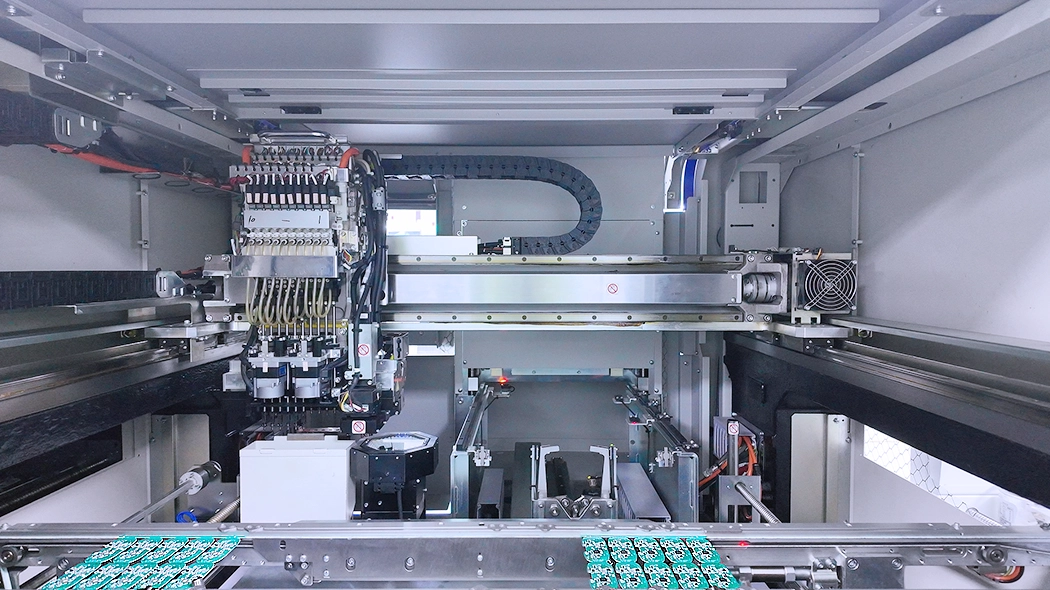
one-stop PCBA manufacturing service SMT production line

Remote diagnosis and online technical support to quickly respond to customer needs

Noemi’s project took less than 6 months from start-up to mass production, and the cost of the entire printed circuit board assembly manufacturing was reduced by about 35%, while product stability was doubled.
SCSPCBA is not only a circuit board manufacturer, but also a cost optimization consultant for every link of your product from concept to delivery.

“It’s not about who saves the most, but who saves smarter.” – SCSPCBA Engineering Department

Are you also worried about PCBA costs? Let us provide evaluation and design optimization suggestions for your AI hardware project!

Click to contact an engineer to get a customized printed circuit board solution.

SCSPCBA Dragon Boat Festival Holiday Notice 2026 with AI quotation system available 24/7 during the holiday period.

3D printer manufacturing prototype parts for turnkey PCBA projects with free 3D printing support from SCSPCBA

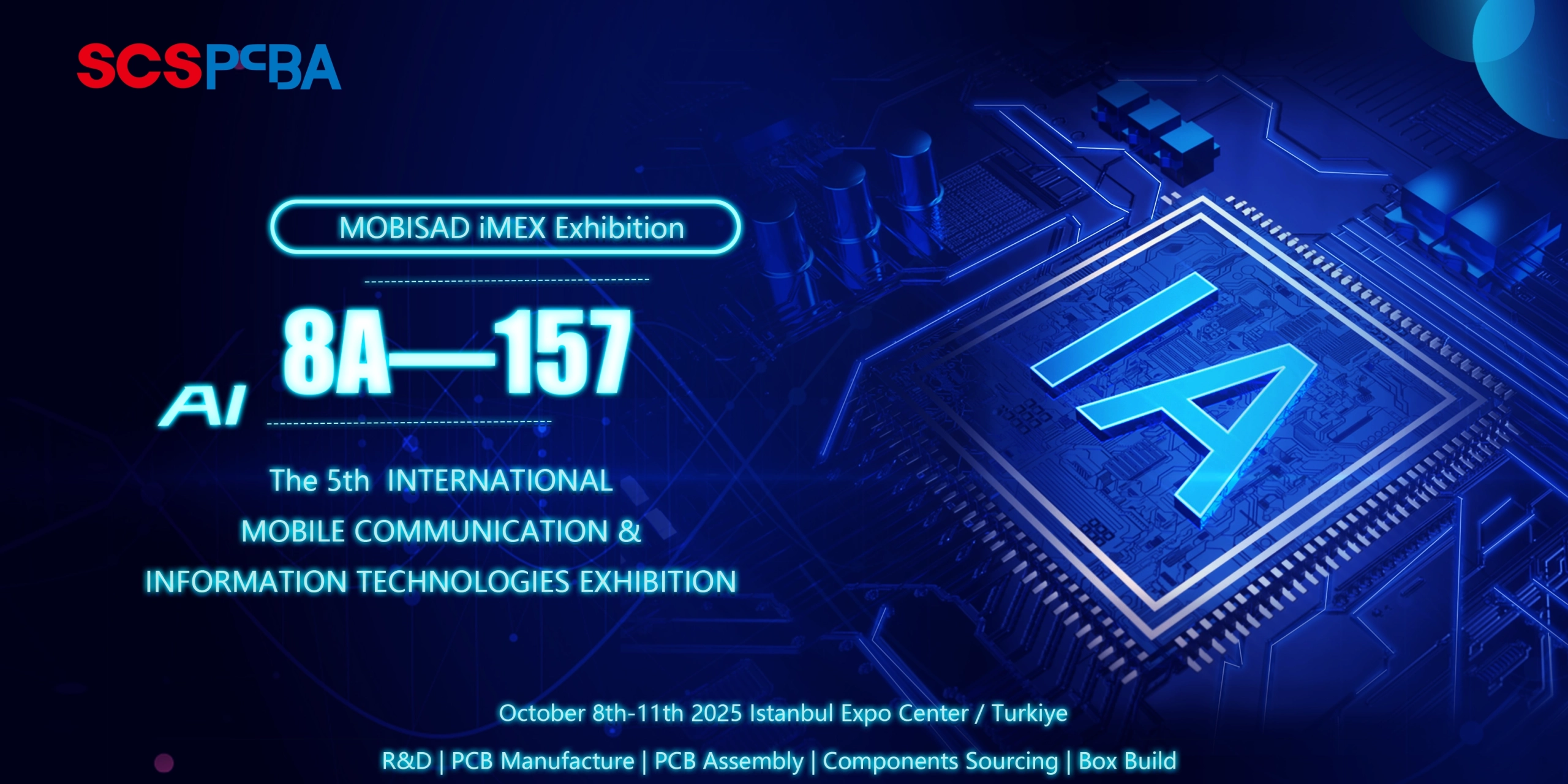
SCSPCBA Will Be At MOBiSAD IMEx 2025 in Turkey

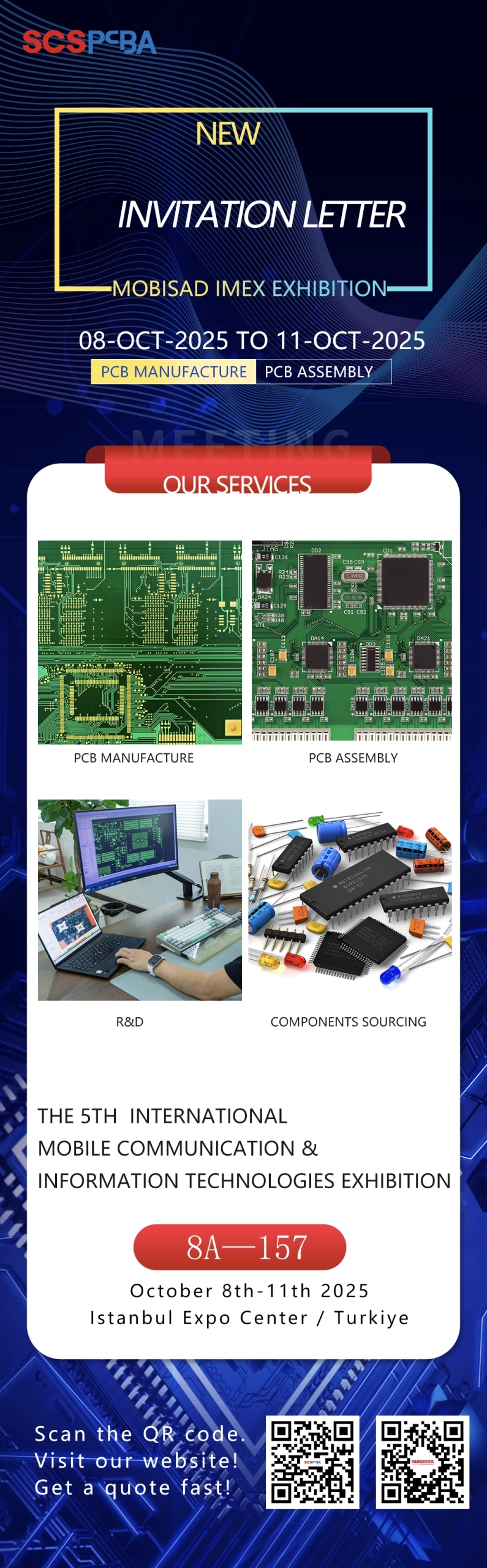
SCSPCBA will be at MOBiSAD IMEx 2025 in Turkey, and we sincerely invite you to visit us!

We are very pleased to announce that SCSPCBA will participate in the “MOBiSAD IMEx” exhibition held at Istanbul Expo Center (IFM), Turkey from October 8 to 11, 2025 – an important event for the mobile communications, consumer electronics and emerging technology industries.

☞  Exhibition name: MOBiSAD IMEx 2025

☞  Booth number: 8A-157

☞ Exhibition time: October 8 (Wednesday) to October 11 (Saturday), 2025

☞  Opening hours: 10:00 – 18:00 daily

☞  Exhibition address: Istanbul Expo Center (IFM), Turkey

☞  One-stop service: PCB | SMT/DIP | PCBA | BOM procurement | OEM/ODM | Testing and inspection | BOM and supply chain

☞  Expectation: Welcome to discuss cooperation!

MOBiSAD IMEx 2025 in Turkey

About MOBISAD IMEX Exhibition

MOBISAD IMEX (Mobile Communication, Consumer Electronics & New Technologies Exhibition) is an annual event hosted by the Turkish Mobile Communication Technology Association, focusing on 5G communications, IoT, consumer electronics, emerging technologies and smart manufacturing. As one of the most influential technology exhibitions in Turkey and even the Middle East, the exhibition attracts technology companies, equipment manufacturers and innovative solution providers worldwide.

What highlights will SCSPCBA bring to the exhibition?

As a one-stop PCBA intelligent manufacturing service provider with many years of experience in the field of electronic manufacturing, SCSPCBA will fully demonstrate the company’s strong capabilities and advanced processes in the entire process of PCB design, PCB board fabrication, surface mount technology (SMT/DIP), component procurement, DFM manufacturability testing, printed circuit assembly and testing & inspection, BGA assembly to box build assembly at this MOBISAD IMEX 2025 exhibition. We are committed to providing customers with “end-to-end” intelligent solutions from product conception to mass production to meet the stringent requirements of high-quality, high-efficiency and high-flexibility production.

At booth 8A-157, you will learn about:

Online AI Intelligent Quotation System

Experience our AI-driven online fast quotation platform on site. The system combines big data and algorithmic logic to generate accurate quotations, completely eliminating the cumbersome process of traditional manual calculations, and greatly improving procurement efficiency and communication speed. It is especially suitable for small and medium-volume orders, prototype proofing and cross-border collaboration scenarios, truly realizing “fast inquiry, instant quotation”, helping customers seize market opportunities.

SCSPCBA has rich experience in printed circuit assembly

PCB Manufacturing Services

We will showcase PCB solutions covering a variety of complex applications, including but not limited to:

  • Single Layer PCB
  • Double Layer PCB
  • Multilayer PCB
  • HDI PCB
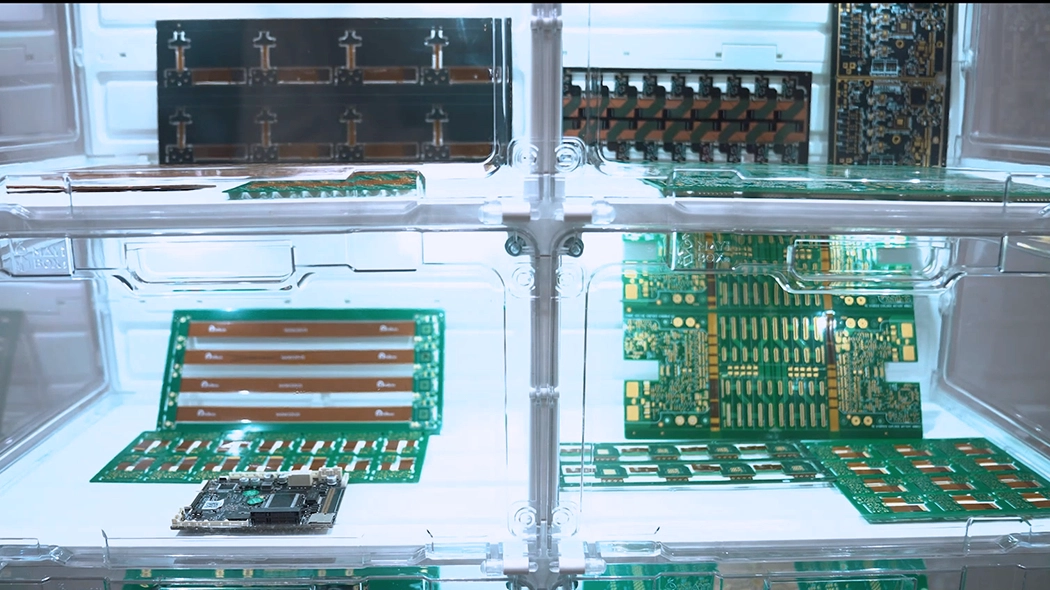
  • Rigid-Flex PCB
  • High-frequency PCB
  • Ultra-High-Layer PCB
  • Aluminum PCB
  • Ceramic PCB
  • Thick Copper PCB
  • High-Tg PCB
  • Flexible PCB
  • and other special material circuit boards

All products comply with IPC-610E, RoHS and UL international certification standards and can be widely used in high-end electronics, industrial equipment and high-reliability scenarios.

PCB Assembly and Manufacturing Capabilities

SCSPCBA has rich experience in patch and assembly, providing flexible manufacturing support from rapid prototyping to medium and large batch production. Specific service highlights include:

  • Small and medium batch customization service
    Production efficiency and cost control are equally important, suitable for multi-category, small batch, high-frequency order mode;
  • EMS overall solution
    covers the entire PCBA manufacturing process, including welding, testing, aging, assembly and packaging and delivery;
  • Rapid prototype delivery
    from BOM optimization to sample shipment can be completed within 48 hours at the fastest, effectively shortening the R&D cycle;
  • OEM/ODM service
    support from product definition, electronic solution design to whole machine development, helping customers reduce development costs and accelerate brand landing.

Printed Circuit Board Assembly Manufacturing is used in a variety of industries

Smart manufacturing factory and global layout

SCSPCBA currently has four factories in Vietnam, Shenzhen, Jiangsu, and Jiangxi to achieve production coordination between Southeast Asia and mainland China, and support efficient response and distributed delivery of global orders. At the same time, we have established branches in Wuhan and the United States to further enhance cross-time zone response capabilities and localized service levels.

Multi-industry solutions implemented

SCSPCBA’s printed circuit board assembly manufacturing solutions have been successfully applied to multiple industries, including:

  • Medical electronics: high-reliability medical equipment main control board, monitoring module, etc.
  • Automotive electronics: ADAS control board, vehicle radar PCB, intelligent lighting system
  • Mobile and wearable devices: smart watches, headphones, health monitoring terminals
  • Smart security and Internet of Things: video acquisition board, wireless communication module, access control motherboard
  • Industrial control and automation: PLC module, motor controller, embedded control system

Through continuous optimization of circuit board manufacturing processes and strengthening of quality control systems, SCSPCBA has become the preferred partner of many global brands in the field of high-end electronic manufacturing.

MOBiSAD IMEx Exhibition and scspcba One-stop PCBA Manufacturing

We sincerely invite you to visit our booth!

Whether you are a local buyer, brand customer, partner or industry researcher, we sincerely invite you to visit SCSPCBA booth 8A-157 to communicate with us face to face and explore how to use intelligent manufacturing technology, flexible supply chain and fast delivery mode to help your products go to market faster, with better cost and more stable quality.

SCSPCBA Dragon Boat Festival Holiday Notice 2026 with AI quotation system available 24/7 during the holiday period.

3D printer manufacturing prototype parts for turnkey PCBA projects with free 3D printing support from SCSPCBA

ISO Certified Printed Circuit Assembly

Core Competence to Ensure Electronic Assembly Quality

In modern electronic manufacturing, the reliability and consistency of printed circuit assembly directly determine the performance and market reputation of the whole machine. With the continuous upgrading of international quality standards, more and more PCBA manufacturers have adopted authoritative ISO certification systems to standardize production management, raw material procurement and process control to ensure that PCB board production meets the strict requirements of global customers.

Circuit board assembly is a system engineering that covers multiple links, such as component welding, testing, functional verification, and post-aging. Whether it is fully automated placement or inspection requiring manual cooperation, it is like a precision machine that operates efficiently and must be closely coordinated in all links. However, what is often overlooked but equally critical is PCB manufacturers’ quality management system certification, which provides a stable framework and traceability guarantee for the entire production process and is an important basis for customer trust.

1. Importance of ISO certification

Obtaining quality management certifications such as ISO 9001 or ISO 13485 means that the factory meets the internationally accepted quality management system and has traceability, verifiability, and sustainable improvement management capabilities. For printed circuit board manufacturers, such certifications give customers more peace of mind in high-reliability industries such as medical, automotive, and aerospace because they ensure that every node in the entire production process meets strict specifications.

operator wearing an anti-static suit operates a test bench to inspect a circuit board

2. Printed circuit manufacturing inspection technology

Under the requirements of the ISO system, the printed circuit board production process needs to use a variety of inspection technologies to prevent defects. The main technologies include:

AOI (Automatic Optical Inspection)

High-resolution cameras capture defects such as solder joints, component offsets, missing parts, etc., automatically compare design drawings, and avoid manual misjudgment.

SPI (Solder Paste Printing Inspection)

Monitor the thickness and distribution of solder paste on the pad to prevent printing offset from causing cold solder joints or short circuits.

X-Ray (X-ray Inspection)

Perform non-destructive perspective inspection of hidden solder joints such as BGA and QFN to identify voids or poor soldering.

ICT (In-circuit Test)

Detect circuit open circuits, short circuits, resistance/capacitance errors, etc. before PCBA is powered on, and quickly find fault points.

Functional Test (FCT)

Simulate the actual working state, verify the function of the entire board, and ensure mass production consistency.

These functional inspection methods work together to form a complete quality firewall to minimize the outflow of defective products.

3. Equipment and production environment

ISO certification also requires that the production workshop meet high standards in equipment and management.
For example:

  • Anti-static floor and work clothes
  • Constant temperature and humidity environment
  • Regularly calibrated printing, patch, and reflow equipment
  • Wrong material prevention system and material traceability system
  • MES management system data record

These facilities ensure that PCB patch, plug-in, welding and testing processes can maintain stable and consistent quality, and can trace the abnormalities in each link.

4. The role of the operator

Under the ISO system, operators of electronics manufacturers must pass job certification, including:

  • IPC standard welding training
  • Equipment operation training
  • Quality inspection training

And require regular retraining and assessment to ensure that the skill level continues to meet the requirements. ISO emphasizes the sustainable improvement of “people”, so continuously cultivating employee capabilities is part of the certification.

5. Traceability and continuous improvement

Another highlight of the ISO certification system is traceability. Each batch of PCBA products, from raw materials, production batches to quality inspection reports, will be recorded in the MES or ERP system for later traceability and data analysis. If a return or recall occurs, the affected batch can also be quickly locked, greatly reducing customer risks.

MES system operation interface, recording production and inspection data.

6. Combination of OEM/ODM business and ISO

ISO certification has laid a good foundation for circuit board manufacturers to expand their OEM/ODM business. For many international brands, choosing an ISO-certified foundry meets compliance requirements and also reduces cooperation risks.
As a PCBA manufacturer with both ISO9001 and ISO13485 certifications, SCCPCBA printed circuit board manufacturers have one-stop delivery capabilities from design, proofing, small batch trial production, and mass production and can quickly provide customers with high-end customized solutions in medical, automotive, and industrial control.

7. Obtaining ISO Certification

In today’s fiercely competitive global electronics industry, ISO-certified PCBAs have become an important symbol of measuring a company’s manufacturing capabilities. We can only provide customers with high-reliability and high-consistency circuit board assembly services by combining systematic testing technology, advanced equipment, highly qualified operators, and rigorous production processes. Through continuous improvement and investment, the ISO system helps PCBA manufacturers build a solid bridge between quality and trust.

SCSPCBA Dragon Boat Festival Holiday Notice 2026 with AI quotation system available 24/7 during the holiday period.

3D printer manufacturing prototype parts for turnkey PCBA projects with free 3D printing support from SCSPCBA