How a Vietnam PCBA Factory Supports OEM & ODM Manufacturing for Global Markets
Design for Manufacturability (DFM) is the practice of designing …
Design for Manufacturability (DFM) is the practice of designing …
Design for Manufacturability (DFM) is the practice of designing …
As the New Year begins, SCSPCBA would like to extend our sincere wishes for a happy, healthy, and successful year ahead to all our customers and partners worldwide. While this season is traditionally a time for celebration and rest, manufacturing timelines and project schedules do not always pause.
To ensure uninterrupted support for OEM and ODM customers, SCSPCBA continues normal operations throughout the New Year holiday period, maintaining stable manufacturing execution and responsive engineering support.
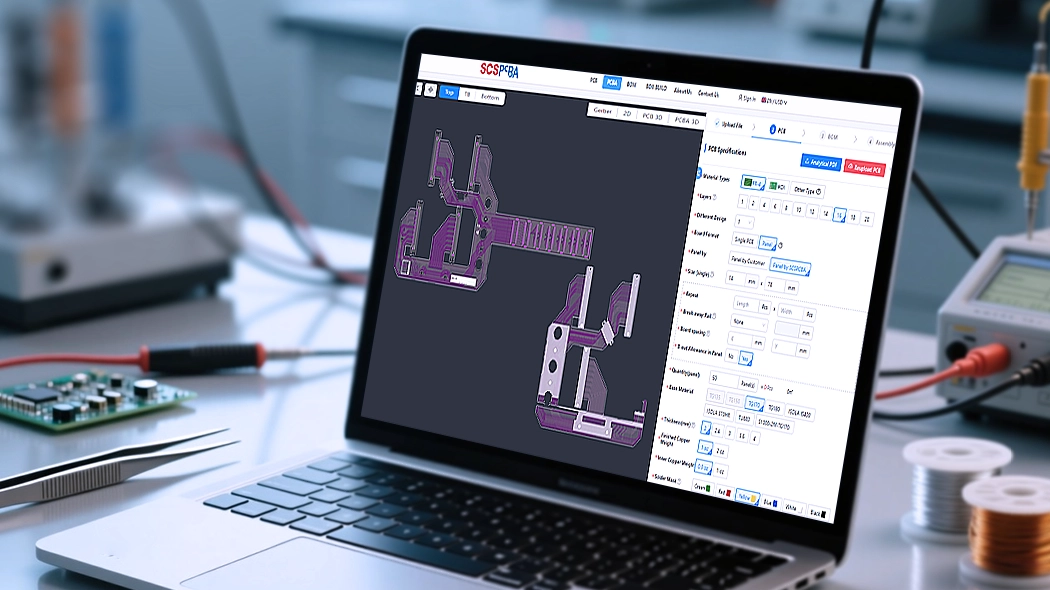
During the New Year holiday, SCSPCBA’s online PCB, PCBA, and Box Build assembly quoting platform remains fully functional and accessible 24/7.
Customers can continue to:
The platform integrates PCB fabrication, SMT assembly, PCBA testing, and box build assembly pricing into a single workflow, allowing customers to plan projects efficiently—even during holiday periods.
As we move into the New Year, SCSPCBA remains focused on delivering transparent pricing, stable execution, and high-quality PCB, PCBA, and box build assembly services.
Whether you need technical support, assistance with material sourcing, or order progress updates, our support channels will remain open and responsive.
If you are planning new projects, feel free to use our online quoting platform or contact our team at any time.


https://www.scspcba.com/wp-content/uploads/2026/08/PCBA-Cost-Breakdown-How-to-Compare-PCB-Assembly-Quotes.webp
311
553
administrator
https://scspcba.com/wp-content/uploads/2026/05/scspcba-home-logo.svg
administrator2026-08-21 00:00:392026-08-24 01:58:14PCBA Cost Breakdown: How to Compare PCB Assembly Quotes
https://www.scspcba.com/wp-content/uploads/2026/08/Turnkey-vs.-Consigned-PCB-Assembly-Reduce-Procurement-Risk.webp
310
553
administrator
https://scspcba.com/wp-content/uploads/2026/05/scspcba-home-logo.svg
administrator2026-08-21 00:00:272026-08-24 01:58:01Turnkey vs. Consigned PCB Assembly: Reduce Procurement Risk
https://www.scspcba.com/wp-content/uploads/2026/08/How-SMT-Assembly-Works-in-PCBA-Manufacturing-Full-Guide.webp
312
554
administrator
https://scspcba.com/wp-content/uploads/2026/05/scspcba-home-logo.svg
administrator2026-08-14 00:00:142026-08-11 02:18:32How SMT Assembly Works in PCBA Manufacturing: Full Guide
https://www.scspcba.com/wp-content/uploads/2026/08/PCB-vs-PCBA-Key-Differences-Which-One-Do-You-Need.webp
307
554
administrator
https://scspcba.com/wp-content/uploads/2026/05/scspcba-home-logo.svg
administrator2026-08-14 00:00:032026-08-11 02:16:57PCB vs PCBA: Key Differences & Which One Do You Need?
https://www.scspcba.com/wp-content/uploads/2026/08/PCB-vs-PCBA-Key-Differences-in-Design-Assembly-Cost.webp
305
554
administrator
https://scspcba.com/wp-content/uploads/2026/05/scspcba-home-logo.svg
administrator2026-08-07 00:00:362026-08-10 02:05:08PCB vs PCBA: Key Differences in Design, Assembly & Cost
Design for Manufacturability (DFM) is the practice of designing …
Design for Manufacturability (DFM) is the practice of designing …
Design for Manufacturability (DFM) is the practice of designing …
Design for Manufacturability (DFM) is the practice of designing …
In the modern electronics manufacturing supply chain, EMS (Electronic Manufacturing Services), OEM (Original Equipment Manufacturer), and ODM (Original Design Manufacturer) constitute the mainstream foundry models. Although their roles differ, they all rely on a common core process—PCB manufacturing and assembly. Whether the brand owner leads the design or the foundry participates in the entire development process, the stability of the final product’s performance and the completeness of its functions almost entirely depend on the quality and reliability of the PCBA manufacturing.
In automotive ADAS, power management, medical monitoring equipment, smart home systems, and industrial control systems, high-precision PCB design, SMT assembly, BOM supply chain management, and functional testing such as ICT, FCT, and X-ray are all essential.
SCSPCBA’s advantages: We are not a traditional factory, but a modern EMS manufacturing platform driven by “intelligence + visualization + AI”.
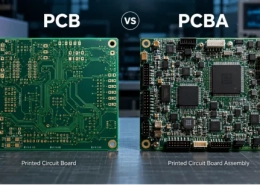
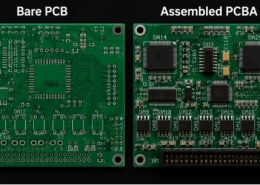
Printed Circuit Board Assembly refers to a circuit board assembly on which electronic components (such as resistors, capacitors, and chips) have been mounted on a bare board using SMT or DIP processes. It is the “brain” of all electronic devices; whether it’s a mobile phone, home appliance, or industrial controller, all rely on the PCBA to realize their functions.
In EMS, customers require stable mass-production capabilities and quality control; the PCBA is the object of processing; and the EMS manufacturer is an “all-around contract manufacturer,” responsible for turning the customer’s drawings into physical products.
For example, in industrial control board electronics, customers only need to provide the Bill of Materials (BOM) and Gerber files; SCSPCBA provides a full-process EMS service including PCB board fabrication, PCB assembly, testing and inspection, molding, and final assembly.
Among OEMs, the printed circuit board assembly manufacturer only performs conversion and does not change the design.
In ODM, printed circuit board assembly companies not only produce, but also provide complete solutions. For example, scspabc provides customized PCBA for AI hardware customers to support the rapid creation of smart products.
| OEM mode | ODM mode | |
|---|---|---|
| Design Ownership | The brand provides complete design (including circuit diagram, BOM table, etc.) | The factory is responsible for the entire process design from product definition to mass production. |
| PCB assembly manufacturer responsibilities | The manufacturer constructs according to the drawings, focusing on processes such as SMT patching, DIP plug-ins, and testing. | Provide one-stop service of “design + R&D + production + certification” |
| Intellectual property ownership | All technical achievements belong to the brand owner | Design copyright usually belongs to the factory, and customers can buy it out or share it |
| Cost and cycle | The cost is low, but the brand needs to invest a lot of R&D resources; the market cycle is long | Can save R&D time and cost, suitable for rapid market introduction |
| Applicable business types | A mature brand owner with a strong R&D team and clear product planning | Start-ups or brands that lack hardware capabilities want to travel lightly |
OEM emphasizes “manufacturing execution” and the brand leads the design
ODM provides “system output”. Complete solution provided by printed circuit board assembly factory
Unlike traditional EMS suppliers that rely heavily on manual quoting and fragmented spreadsheets, SCSPCBA has developed an AI-driven quotation system designed specifically for PCB and PCBA manufacturing scenarios.
By automatically parsing Gerber files, BOM lists, and manufacturing parameters, the system calculates material cost, process complexity, yield impact, and production capacity in real time.
SCSPCBA operates four advanced manufacturing sites, forming a strategically distributed production network that supports flexibility, scalability, and supply-chain resilience.
This multi-location structure enables SCSPCBA to balance cost, lead time, and capacity, making it particularly suitable for global EMS 、ODM and OEM programs that require stable long-term supply.
Component procurement is often the biggest risk factor in PCBA projects, especially under global supply volatility.
SCSPCBA addresses this challenge with a dedicated, experienced sourcing team and a data-driven procurement strategy.
SCSPCBA delivers true end-to-end PCBA services, rather than fragmented outsourcing across multiple vendors.
For EMS/OEM customers, this reduces coordination cost and risk.
For ODM customers, it accelerates time-to-market and ensures design intent is preserved through manufacturing.
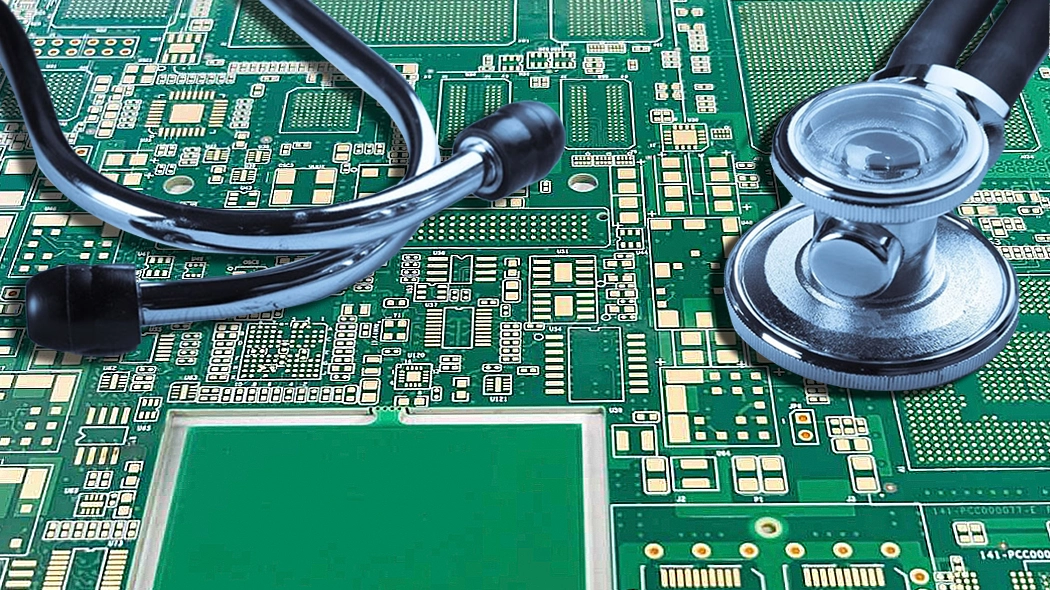
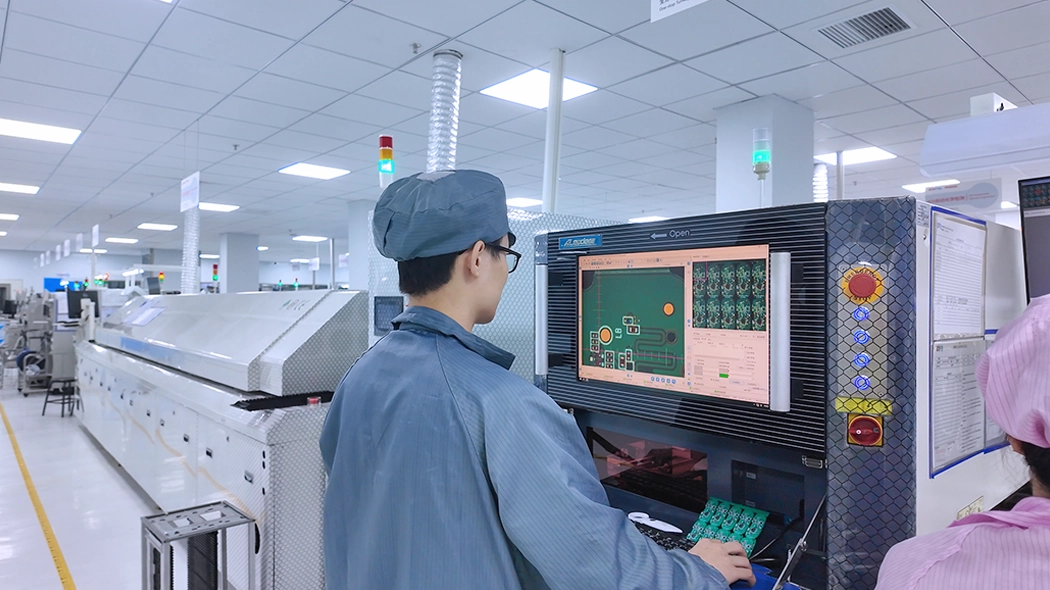
SCSPCBA’s quality system covers every aspect from component warehousing to finished product packaging. We strictly follow industry standards such as ISO9001, ISO14001, ISO13485, IATF16949, etc. to ensure that it is suitable for high-reliability applications such as automotive, medical, and communications.
This allows our PCBAs to maintain a rework rate of <0.12% in the fields of automotive electronics, medical electronics and industrial electronics, well below the industry average.
(1)What is the difference between EMS, OEM and ODM?
EMS focuses on manufacturing, OEM is responsible for producing branded products, and ODM provides the entire process from design to production.
(2)Do you support automotive or medical-grade production?
Support: the factory has IATF 16949 and ISO 13485 certifications.
(3)Can SCSPCBA provide an alternative component suggestion?
Yes, we provide BOM cost optimization and substitute material recommendations (including inventory cycle and life cycle analysis).
(4)What file formats do you support?
Supports PCB archive files (zip, .rar, .7z), KiCad 6.0+ files (kicad pcb), AD16+ files (.PcbDoc), no more than 50M
(5)Do you offer functional testing for PCBA?
Provide ICT, FCT, burn-in testing and customer-defined testing processes.
(6) Do you provide turnkey PCB + PCBA service?
Yes, including PCB → Components → SMT → DIP → Assembly → Testing
Get an instant quotation in seconds and upload your Gerber/BOM files now.
[Get Instant Quote — Upload Files]
https://www.scspcba.com/wp-content/uploads/2026/08/PCBA-Cost-Breakdown-How-to-Compare-PCB-Assembly-Quotes.webp
311
553
administrator
https://scspcba.com/wp-content/uploads/2026/05/scspcba-home-logo.svg
administrator2026-08-21 00:00:392026-08-24 01:58:14PCBA Cost Breakdown: How to Compare PCB Assembly Quotes
https://www.scspcba.com/wp-content/uploads/2026/08/Turnkey-vs.-Consigned-PCB-Assembly-Reduce-Procurement-Risk.webp
310
553
administrator
https://scspcba.com/wp-content/uploads/2026/05/scspcba-home-logo.svg
administrator2026-08-21 00:00:272026-08-24 01:58:01Turnkey vs. Consigned PCB Assembly: Reduce Procurement Risk
https://www.scspcba.com/wp-content/uploads/2026/08/How-SMT-Assembly-Works-in-PCBA-Manufacturing-Full-Guide.webp
312
554
administrator
https://scspcba.com/wp-content/uploads/2026/05/scspcba-home-logo.svg
administrator2026-08-14 00:00:142026-08-11 02:18:32How SMT Assembly Works in PCBA Manufacturing: Full Guide
https://www.scspcba.com/wp-content/uploads/2026/08/PCB-vs-PCBA-Key-Differences-Which-One-Do-You-Need.webp
307
554
administrator
https://scspcba.com/wp-content/uploads/2026/05/scspcba-home-logo.svg
administrator2026-08-14 00:00:032026-08-11 02:16:57PCB vs PCBA: Key Differences & Which One Do You Need?
https://www.scspcba.com/wp-content/uploads/2026/08/PCB-vs-PCBA-Key-Differences-in-Design-Assembly-Cost.webp
305
554
administrator
https://scspcba.com/wp-content/uploads/2026/05/scspcba-home-logo.svg
administrator2026-08-07 00:00:362026-08-10 02:05:08PCB vs PCBA: Key Differences in Design, Assembly & Cost
Design for Manufacturability (DFM) is the practice of designing …
Design for Manufacturability (DFM) is the practice of designing …