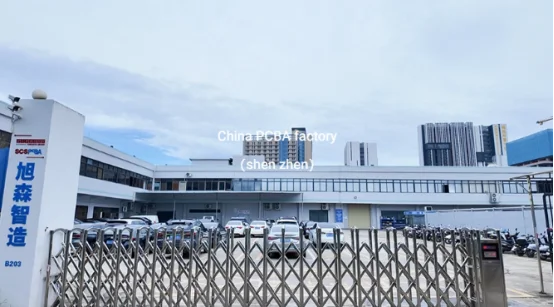
Who Is the Manufacturer of PCB Board in China?
Looking for a manufacturer of PCB board in China? You will discover hundreds of factories. Getting a cheap quote is actually easy. The real struggle is finding a reliable supplier. They must build the bare board perfectly. They also need to source stable components and assemble fine-pitch parts. Furthermore, they must test the finished PCBA properly. This reliability must hold up as your order scales from a basic prototype to full production.
China stands as a massive PCB production hub. Its vast supply chain spans materials, board fabrication, and component sourcing. It also covers assembly equipment, tooling, and final logistics. Price clearly matters. However, process control proves far more crucial. This is especially true if your design features dense routing, high-speed signals, or BGAs. Tight delivery dates demand strict control too.
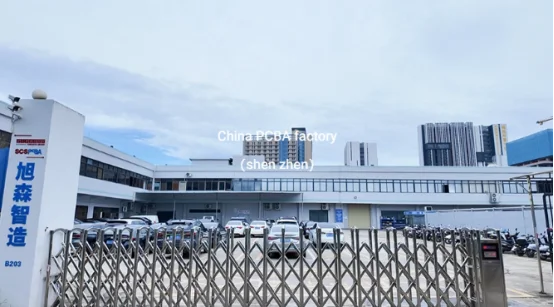
What Should You Look for in a PCB Manufacturer in China?
A solid PCB manufacturing company must match both your technical specs and your buying budget. Ignore the factory’s marketing pitch initially. Instead, focus entirely on questions addressing real production risks.
Board Technology and Materials
First, ask if the vendor can actually craft your specific board type. Typical requests involve FR-4 multilayer boards, HDI PCB, and high-frequency PCB. You might also need flexible PCB, rigid-flex PCB, aluminum PCB, or heavy copper PCB. Board thickness and copper weight directly impact the final product. Impedance control, via structure, minimum trace and space, and surface finish matter heavily as well.
Your chosen partner must carefully check your Gerber files and drill data. They must review stack-up information and fabrication notes before starting actual production. Missing a vital note about controlled impedance or a blind via creates huge problems. It can drastically bump up the cost after the run begins. This triggers a nasty shock. It hits especially hard when your product launch date is already set in stone.
Prototype to Mass Production
A reliable PCB prototype China supplier should support more than a few engineering samples. You may begin with ten or twenty boards, then need a pilot batch for testing, certification, or customer trials. Later, the same design may require repeatable mass production PCB assembly.
Ask how the supplier handles revision control, panelization, tooling, engineering changes, and first article approval. A clear handover from prototype to volume production saves time and reduces repeated debugging.
How Does China PCB Assembly Differ from Bare PCB Fabrication?
A bare PCB only carries the copper pattern, pads, vias, solder mask, and silkscreen. A finished PCBA includes components, solder joints, inspection, and testing. The manufacturer of PCB board in China may offer fabrication only, while a PCBA manufacturer manages the full electronics build.
Files Needed for PCBA
Gerber files are not enough for China PCB assembly. You usually need a controlled BOM, pick-and-place or centroid data, an assembly drawing, and special process notes. The BOM should include manufacturer part numbers, package types, quantities, reference designators, approved alternatives, and DNP items.
Your drawing should show polarity, component orientation, no-fit positions, and through-hole parts. Add firmware, programming instructions, test procedures, and enclosure files when the project requires them. Keeping these files at one revision prevents a common problem, where a perfect board is assembled with an outdated parts list.
SMT, DIP, and Mixed Technology
A modern PCBA manufacturer should handle SMT assembly, DIP assembly, and mixed technology boards. Fine-pitch devices, BGA, QFN, 0201 components, and even 01005 parts need tighter control than ordinary chip resistors.
Through-hole connectors, transformers, or large power components may require selective soldering, wave soldering, or hand insertion. Ask how the supplier manages solder paste, reflow profiles, component moisture, board warpage, and thermal stress. These details often decide whether the first batch runs smoothly.
For a supplier that combines fabrication and assembly, you can review PCB fabrication and assembly services in one project scope.
How Can You Check PCB Quality before Ordering?
PCB quality control should match the failure risks in your product. A visual check alone cannot find every problem, especially under BGA or QFN packages.
Inspection and Testing
SPI checks solder paste position and volume before components are placed. AOI inspection looks for missing parts, polarity errors, misalignment, and visible solder defects. X-ray inspection can examine hidden joints beneath BGAs and other bottom-terminated packages.
ICT testing checks connectivity, component values, and circuit integrity. FCT runs the assembled board under defined operating conditions. Burn-in testing can reveal early failures under controlled temperature and load. These tests do different jobs, so your acceptance plan should reflect the product rather than follow a generic checklist.
Ask for sample inspection records and traceability information. MES records linked to individual boards can help you locate a process issue instead of inspecting an entire shipment by guesswork.
DFM and DFA Review
DFM review checks whether the board can be fabricated with stable yields. DFA review focuses on footprints, spacing, polarity, panel layout, tooling holes, and access for soldering and inspection.
This review is valuable before the first order. A small footprint adjustment may prevent bridging. A better panel layout may reduce waste. A test point added during design can make ICT or FCT much easier later.
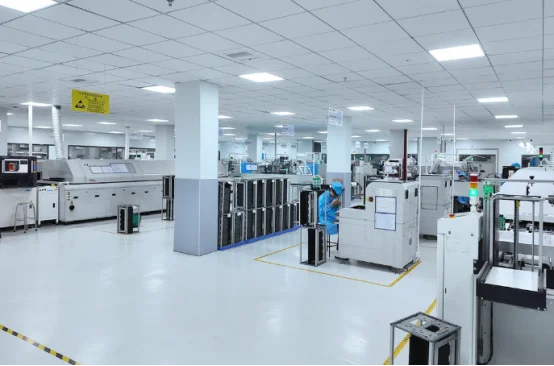
Which Sourcing Model Fits Your Project?
You can choose turnkey PCB assembly, partial turnkey assembly, or consigned assembly. The right model depends on your purchasing team, component access, and risk tolerance.
Turnkey and Partial Turnkey Assembly
With turnkey PCBA, one supplier handles board fabrication, component sourcing, assembly, inspection, and testing. This reduces handoffs and gives you one party to contact when a part becomes obsolete or difficult to source.
Partial turnkey PCBA divides purchasing responsibility. You may provide processors or approved parts while the supplier buys standard components. This can work well when you have negotiated pricing for critical components.
Consigned PCB assembly uses customer-supplied materials. In that case, state packaging, quantities, moisture sensitivity, delivery dates, and unused-part handling in the quotation.
What a Useful Quote Should Include
A proper PCB assembly quote should list setup charges, stencil costs, unit pricing, component pricing, testing, programming, fixtures, rework rules, and delivery assumptions. Ask whether the price includes X-ray, functional testing, box build, labeling, and packaging.
A very low number can hide missing work. Compare quotes by scope, not only by unit price.
Which China PCB Manufacturer Can Support a Full Project?
If you want one supplier for PCB fabrication, sourcing, PCBA, and testing, SCSPCBA’s one-stop PCBA service
is worth reviewing against your requirements. Its published capabilities cover multilayer, HDI, high-frequency, flexible, rigid-flex, aluminum, and heavy copper boards, along with SMT, DIP, BGA, QFN, 0201, and 01005 assembly.
The workflow also includes BOM checks, component sourcing, DFM feedback, SPI, AOI, X-ray, ICT, FCT, aging tests, programming, box build, and logistics. For teams moving from a prototype PCB to repeat production, keeping these steps in one service chain can make engineering changes easier to track.
SCSPCBA also describes online quotation support that reads Gerber data and BOM information, plus production records linked to individual boards. Treat those as capabilities to verify during a sample build. Request current lead times, certificate scope, test coverage, and inspection reports for your actual design.
FAQ
Q1: Who is the manufacturer of PCB board in China?
A: China has many PCB manufacturers rather than one single producer. The right choice depends on your board technology, assembly needs, testing plan, order volume, and sourcing model.
Q2: What files do you need to request a PCB assembly quote?
A: Send Gerber files, drill data, BOM, pick-and-place data, assembly drawings, quantity, delivery target, sourcing responsibility, and test requirements. Add firmware and programming files when needed.
Q3: Can a PCB manufacturer handle both prototypes and mass production?
A: Many suppliers can, but you should confirm prototype processes, first article approval, revision control, panelization, component sourcing, and production traceability before placing the order.
Q4: Which tests should a PCBA supplier provide?
A: SPI, AOI, X-ray, ICT, FCT, and burn-in each detect different problems. Select the combination that matches your packages, safety risks, and product function.
Q5: Is turnkey PCB assembly better than consigned assembly?
A: Turnkey assembly is simpler when you want one supplier to manage sourcing and production. Consigned assembly may suit you when critical components are already supplied or controlled by your purchasing team.





Leave a Reply
Want to join the discussion?Feel free to contribute!