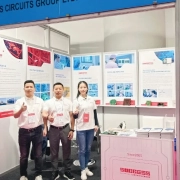
SCSPCBA at Turkey Electronics Fair 2025 — Building Connections, Expanding Horizons
Design for Manufacturability (DFM) is the practice of designing …
Design for Manufacturability (DFM) is the practice of designing …

Design for Manufacturability (DFM) is the practice of designing …
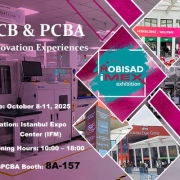
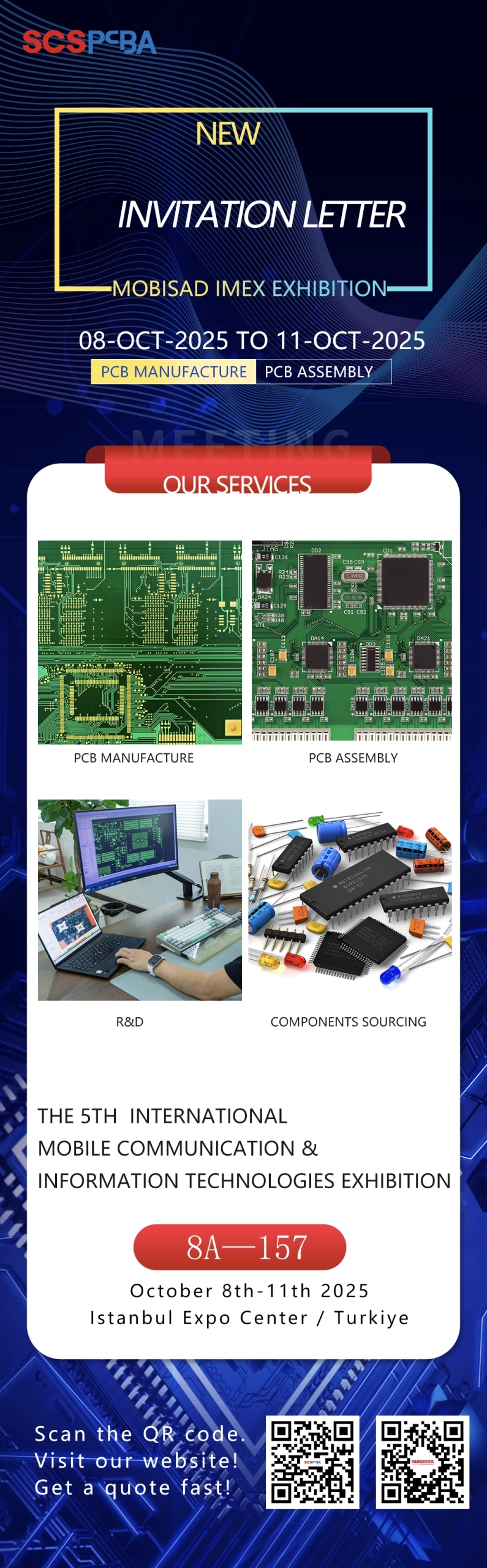
From October 8–11, 2025, the MOBISAD IMEX electronics exhibition in Istanbul will gather global leaders in electronics manufacturing, mobile technology, and PCB assembly solutions. For visitors, this event is not just another trade fair—it is an opportunity to experience groundbreaking PCB manufacturing, PCBA Turkey solutions, and future-ready electronics innovations all under one roof.
At MOBISAD IMEX 2025, exhibitors such as SCSPCBA will present the complete printed circuit board fabrication process, from multi-layer PCB boards to high-density interconnect (HDI) solutions. For those looking for a PCB manufacturer in Turkey, this exhibition offers the perfect opportunity to compare advanced manufacturing capabilities and evaluate new suppliers. These technologies are reshaping applications in automotive electronics, medical devices, and consumer electronics.
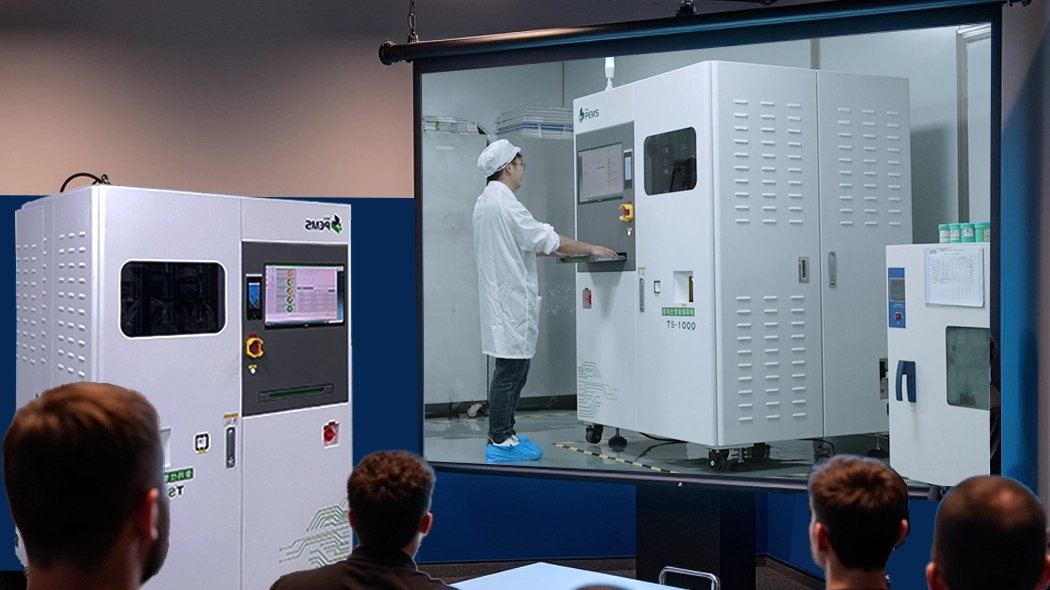
Visitors will enjoy live showcases of SMT assembly and PCB assembly and manufacturing production. These demonstrations highlight both speed and precision in electronics manufacturing. For companies sourcing turnkey PCB assembly in Turkey, the live production lines provide a direct look at how prototypes evolve into fully assembled, reliable circuit boards.
From PCB prototyping to large-scale PCB board production, exhibitors will demonstrate how integrated solutions are supporting industries such as automotive, IoT, and industrial controls. With increasing demand across Europe and the Middle East, PCBA Turkey providers are positioning themselves as reliable partners for global buyers.
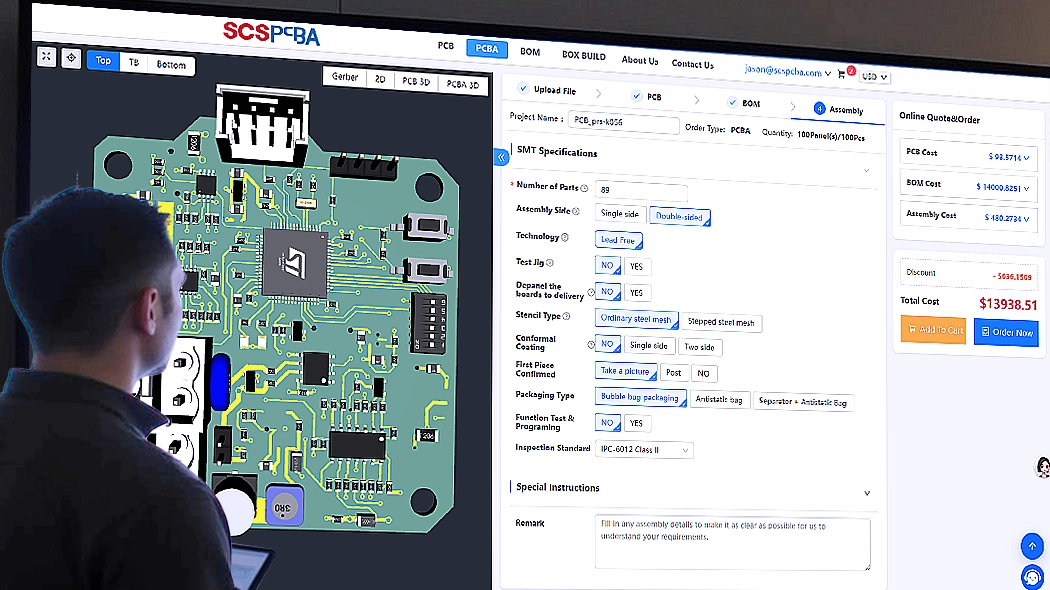
Beyond technology displays, visitors will also experience how PCB quote and PCBA online instant quotation platforms are transforming the way businesses manage procurement. Instead of waiting days for manual estimates, buyers can now access real-time PCB board pricing and PCBA assembly quotations directly at the SCSPCBA exhibition booths. This not only speeds up project planning but also ensures transparency and accuracy in circuit board manufacturing cost control—an innovation that many engineers and supply chain managers will find especially valuable.
Istanbul is a strategic gateway between Europe and the Middle East, making it an attractive hub for electronics manufacturing Turkey. The city’s growing reputation as a destination for PCB and PCBA services gives international buyers confidence in sourcing locally while still benefiting from global-quality standards.
By meeting printed circuit board assembly manufacturers in Turkey at MOBISAD IMEX 2025, visitors can establish regional supply chains that reduce shipping costs, shorten lead times, and improve communication efficiency. For OEMs and startups alike, this regional advantage makes Istanbul a must-watch center for the future of electronics.
As you plan your visit to MOBISAD IMEX 2025, we at SCSPCBA invite you to make our booth a key stop on your exhibition journey. Here are a few tips to maximize your experience:
SCSPCBA will be located at booth 8A-157, within the PCB & PCBA innovation zones. Mark it on your exhibition guide to ensure you don’t miss it when exploring key areas of the electronics trade fair in Turkey.
Our team of engineers and procurement specialists will be available to discuss solutions ranging from automotive PCB assembly to turnkey PCB assembly Turkey projects. Visitors are encouraged to share their specific challenges and learn how SCSPCBA’s expertise can address them.
Take advantage of SCSPCBA’s instant PCB & PCBA quotation platform to see how your projects can move from idea to production faster. This hands-on demo will show you how to estimate costs with accuracy and confidence.
Whether you are searching for a PCB board fabrication Turkey, exploring printed circuit board assembly Turkey providers, or considering electronics manufacturing Istanbul for future projects, our booth is the right place to get practical, tailored advice.
MOBISAD IMEX 2025 is set to be a hub of technological advancement, and the PCB manufacturing & PCB board assembly innovation zones are must-visit areas for any attendee. Whether you are exploring advanced PCB board fabrication, discovering new surface mounting technology assembly processes, or looking for one-stop electronics solutions, this exhibition offers valuable insights and hands-on experiences you simply can’t miss.
MOBISAD IMEX 2025 is shaping up to be the premier PCBA trade fair 2025 for Europe and the Middle East. For visitors, it’s the perfect chance to evaluate electronics manufacturing in Istanbul, connect with pcb manufacturers in Turkey, and explore turnkey PCB assembly Turkey solutions.
If you’re looking for innovation, efficiency, and reliability in PCB & PCBA services, make sure to visit SCSPCBA’s exhibition booth at MOBISAD IMEX 2025—a must-stop for forward-thinking businesses.


 https://www.scspcba.com/wp-content/uploads/2026/06/AI-PCBA-Assembly.webp
400
495
administrator
https://scspcba.com/wp-content/uploads/2026/05/scspcba-home-logo.svg
administrator2026-06-29 09:54:352026-06-29 09:58:11An Engineering Perspective: How AI Hardware Challenges PCBA – and How We Respond
https://www.scspcba.com/wp-content/uploads/2026/06/AI-PCBA-Assembly.webp
400
495
administrator
https://scspcba.com/wp-content/uploads/2026/05/scspcba-home-logo.svg
administrator2026-06-29 09:54:352026-06-29 09:58:11An Engineering Perspective: How AI Hardware Challenges PCBA – and How We Respond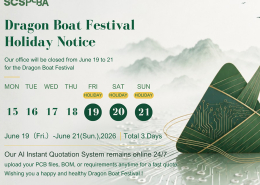 https://www.scspcba.com/wp-content/uploads/2026/06/dragon-boat-festival-holiday-notice-scspcba-2026.jpg
873
1080
administrator
https://scspcba.com/wp-content/uploads/2026/05/scspcba-home-logo.svg
administrator2026-06-18 08:47:182026-06-18 08:53:58Dragon Boat Festival Holiday Notice 2026
https://www.scspcba.com/wp-content/uploads/2026/06/dragon-boat-festival-holiday-notice-scspcba-2026.jpg
873
1080
administrator
https://scspcba.com/wp-content/uploads/2026/05/scspcba-home-logo.svg
administrator2026-06-18 08:47:182026-06-18 08:53:58Dragon Boat Festival Holiday Notice 2026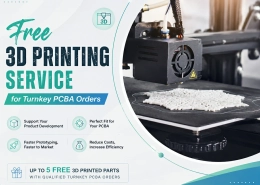 https://www.scspcba.com/wp-content/uploads/2026/06/free-3d-printing-support-for-turnkey-pcba-prototyping-scspcba.webp
873
1080
administrator
https://scspcba.com/wp-content/uploads/2026/05/scspcba-home-logo.svg
administrator2026-06-03 10:28:422026-06-03 10:31:44Free 3D Printing Service for Turnkey PCBA Orders
https://www.scspcba.com/wp-content/uploads/2026/06/free-3d-printing-support-for-turnkey-pcba-prototyping-scspcba.webp
873
1080
administrator
https://scspcba.com/wp-content/uploads/2026/05/scspcba-home-logo.svg
administrator2026-06-03 10:28:422026-06-03 10:31:44Free 3D Printing Service for Turnkey PCBA Orders https://www.scspcba.com/wp-content/uploads/2026/05/9a2c6d52088asfasg640.webp
640
640
administrator
https://scspcba.com/wp-content/uploads/2026/05/scspcba-home-logo.svg
administrator2026-04-27 10:17:192026-05-18 09:46:42Your PCBA Projects Keep Moving Forward During the Labor Day Holiday
https://www.scspcba.com/wp-content/uploads/2026/05/9a2c6d52088asfasg640.webp
640
640
administrator
https://scspcba.com/wp-content/uploads/2026/05/scspcba-home-logo.svg
administrator2026-04-27 10:17:192026-05-18 09:46:42Your PCBA Projects Keep Moving Forward During the Labor Day Holiday https://www.scspcba.com/wp-content/uploads/2026/05/ai-hardware-pcba-manufacturing.webp
873
1080
administrator
https://scspcba.com/wp-content/uploads/2026/05/scspcba-home-logo.svg
administrator2026-04-24 10:17:082026-05-18 08:14:59AI Hardware PCBA: The Problems You Only Discover After Production Starts
https://www.scspcba.com/wp-content/uploads/2026/05/ai-hardware-pcba-manufacturing.webp
873
1080
administrator
https://scspcba.com/wp-content/uploads/2026/05/scspcba-home-logo.svg
administrator2026-04-24 10:17:082026-05-18 08:14:59AI Hardware PCBA: The Problems You Only Discover After Production Starts
Design for Manufacturability (DFM) is the practice of designing …

Design for Manufacturability (DFM) is the practice of designing …
Design for Manufacturability (DFM) is the practice of designing …
Design for Manufacturability (DFM) is the practice of designing …
MOBISAD IMEX 2025 is one of the leading electronics exhibition Turkey will host, focusing on electronics manufacturing, mobile communication, and PCB assembly. As a key PCBA trade fair 2025, the event gathers top global companies across PCB board fabrication, printed circuit board assembly manufacturing, electronic components, and system integration. This exhibition is a must-attend event for businesses seeking reliable supply chain partners and innovative PCB fabrication and assembly solutions.
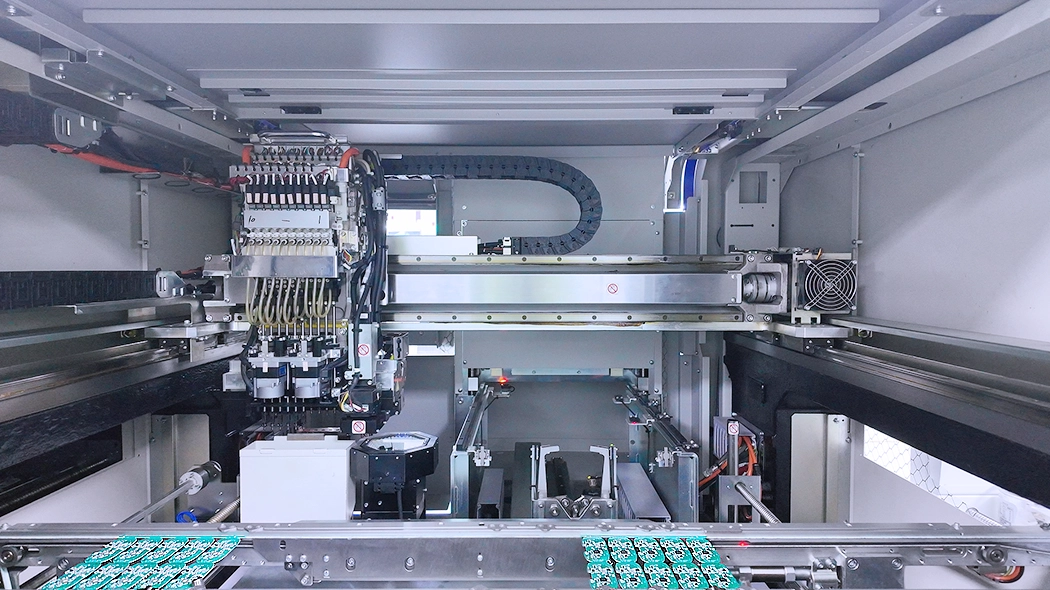
The exhibition is more than a traditional trade fair — it is a platform where innovation, networking, and collaboration meet. Some of the highlights visitors can expect include:
For companies aiming to stay ahead in electronics, MOBISAD IMEX 2025 provides a clear overview of industry innovations and future directions.
At MOBISAD IMEX 2025, the SCSPCBA exhibition will highlight its end-to-end services, covering PCB design, components sourcing, surface mounting technology, SMT circuit board, PCB assembly and manufacturing, box build assembly, and functional testing. This integrated approach ensures customers can move seamlessly from prototyping to mass production with efficiency and precision.
As a trusted PCB manufacturer Turkey exhibitors and visitors will be watching closely, SCSPCBA combines international expertise with local support. With smart factories located in China and Vietnam, SCSPCBA delivers competitive advantages in cost, lead time, and production flexibility. This global footprint ensures both small and large-scale projects receive tailored printed circuit board assembly services backed by localized support.
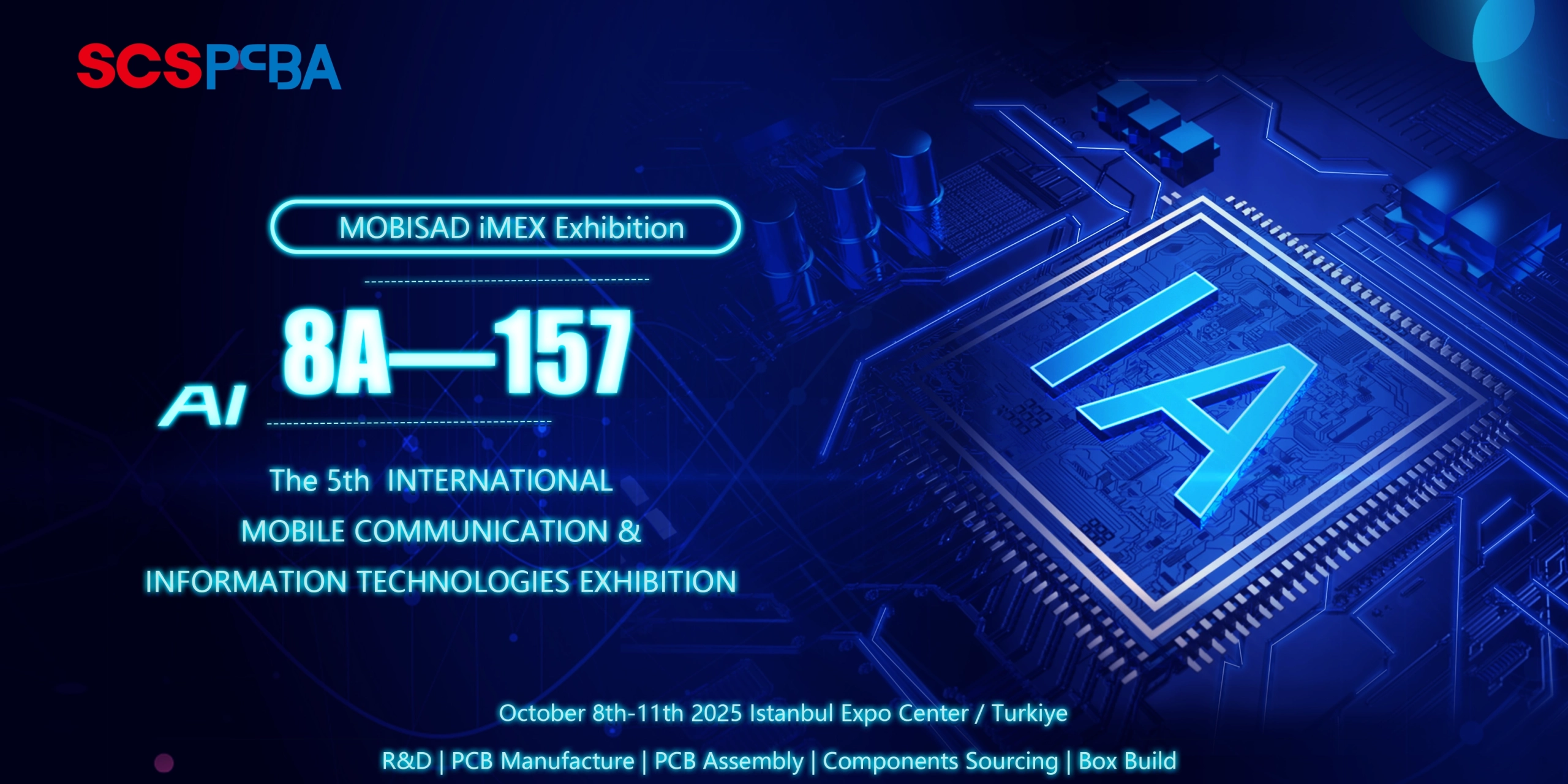
From consumer electronics to automotive PCB assembly and medical devices, SCSPCBA emphasizes precision, reliability, and customization. Visitors to booth 8A-157 at MOBISAD IMEX 2025 will have the opportunity to explore how SCSPCBA’s PCBA solutions can accelerate innovation and strengthen supply chains.
For attendees looking for a reliable printed circuit board manufacturers Turkey, SCSPCBA’s presence at MOBISAD IMEX provides a direct opportunity to engage with experts and discover the advantages of one-stop PCB and PCBA solutions.
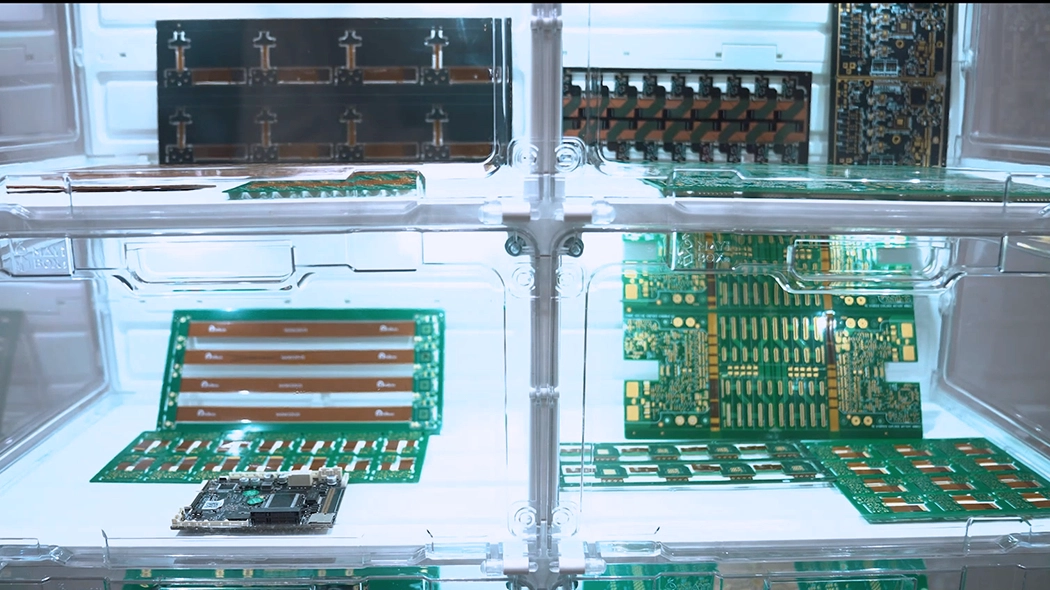
The electronics industry is facing rapid transformation:
SCSPCBA addresses these challenges with strong engineering expertise, reliable sourcing strategies, and intelligent manufacturing systems. Attending the SCSPCBA exhibition allows visitors to see firsthand how these capabilities can support their PCBA projects.
MOBISAD IMEX 2025 will be a global stage for innovation and collaboration in electronics manufacturing. Among the exhibitors at this electronics exhibition Turkey, SCSPCBA stands out as a must-visit company for those seeking advanced PCB and PCBA services.
If you are attending MOBISAD IMEX 2025, make sure to stop by the SCSPCBA exhibition booth (8A-157). Our team will be available to:
Schedule a meeting with SCSPCBA today to secure your consultation slot at MOBISAD IMEX 2025. Don’t miss the chance to connect with a global leader in PCB manufacturing and assembly.
https://www.scspcba.com/wp-content/uploads/2026/06/AI-PCBA-Assembly.webp
400
495
administrator
https://scspcba.com/wp-content/uploads/2026/05/scspcba-home-logo.svg
administrator2026-06-29 09:54:352026-06-29 09:58:11An Engineering Perspective: How AI Hardware Challenges PCBA – and How We Respond
https://www.scspcba.com/wp-content/uploads/2026/06/dragon-boat-festival-holiday-notice-scspcba-2026.jpg
873
1080
administrator
https://scspcba.com/wp-content/uploads/2026/05/scspcba-home-logo.svg
administrator2026-06-18 08:47:182026-06-18 08:53:58Dragon Boat Festival Holiday Notice 2026
https://www.scspcba.com/wp-content/uploads/2026/06/free-3d-printing-support-for-turnkey-pcba-prototyping-scspcba.webp
873
1080
administrator
https://scspcba.com/wp-content/uploads/2026/05/scspcba-home-logo.svg
administrator2026-06-03 10:28:422026-06-03 10:31:44Free 3D Printing Service for Turnkey PCBA Orders
https://www.scspcba.com/wp-content/uploads/2026/05/9a2c6d52088asfasg640.webp
640
640
administrator
https://scspcba.com/wp-content/uploads/2026/05/scspcba-home-logo.svg
administrator2026-04-27 10:17:192026-05-18 09:46:42Your PCBA Projects Keep Moving Forward During the Labor Day Holiday
https://www.scspcba.com/wp-content/uploads/2026/05/ai-hardware-pcba-manufacturing.webp
873
1080
administrator
https://scspcba.com/wp-content/uploads/2026/05/scspcba-home-logo.svg
administrator2026-04-24 10:17:082026-05-18 08:14:59AI Hardware PCBA: The Problems You Only Discover After Production Starts
Design for Manufacturability (DFM) is the practice of designing …
Design for Manufacturability (DFM) is the practice of designing …