Applications of PCBA in Modern Electronics
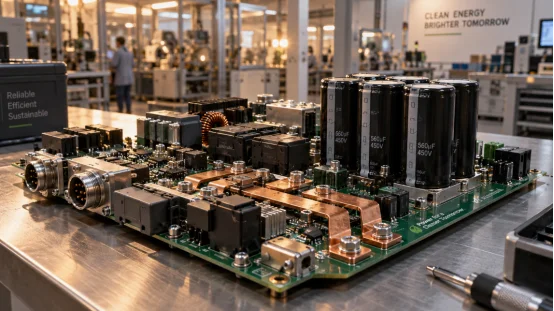
PCBA, or printed circuit board assembly, turns a bare board into a working electronic unit. It combines the board, components, connectors, and programmed functions that let a product sense, process, switch, and communicate.
The applications of PCBA cover a smartwatch, factory controller, battery cabinet, and medical monitor. The practical question is what the assembly must do in its working environment and which checks protect that job.
Which Industries Use PCBA in Modern Electronics?
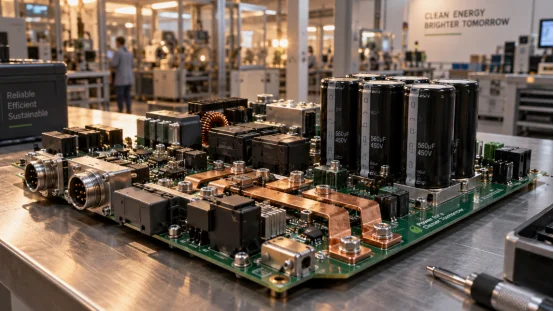
Each product places a different load on the board. Size, heat, vibration, signal speed, service life, and regulatory records shape component choice and the production route.
PCBA in Consumer Electronics
In PCBA in consumer electronics, a multilayer board may place a processor, memory, sensors, power circuits, and wireless modules in a small enclosure. Wearables often use flexible or rigid-flex boards.
Audio equipment and smart home controllers need compact placement, clean power paths, and repeatable solder joints. Stable reflow profiles and functional checks support daily drops, charging cycles, and repeated use.
Automotive PCBA Applications and New Energy
Automotive PCBA applications include electronic control units, battery management systems, driver-assistance modules, dashboard controls, and charging equipment. These assemblies work through vibration, temperature swings, and long service periods.
A new energy PCBA for storage or photovoltaic control also handles high current and heat. Heavy-copper or metal-core structures and controlled thermal paths support that load. IATF 16949 processes link each lot to material and test history.
Medical Device PCBA
Medical device PCBA appears in patient monitors, testing instruments, diagnostic systems, portable meters, and treatment equipment. The board must deliver repeatable readings and predictable alarms. ISO 13485 practices bring risk review, document control, and traceable records into the build. Compact SMT suits portable units; mixed SMT and through-hole assembly supports larger connectors, relays, and power sections.
Industrial Control, IoT, and Security
Industrial control PCBA supports PLC boards, motor drives, power-management units, and automation terminals near motors, dust, humidity, and electrical noise. IoT device PCBA adds sensors, local processing, and wireless communication. Security hardware uses camera mainboards, recording units, and access-control modules. Conformal coating, grounding, connector retention, and environmental testing support field operation.
AI Computing and Communication Hardware
AI computing PCBA serves servers, accelerator modules, edge-processing units, and high-speed data hardware. High-density routing, controlled impedance, power delivery, and heat removal guide the design. Communication equipment adds high-frequency paths and tight timing. 01005 or 0201 components demand accurate placement, paste control, and X-ray review around hidden joints.
What Does PCBA Do Inside Each Product?
Applications begin with product function and move into board architecture. A useful PCB design for PCBA provides inspection points, stable footprints, and a clear thermal path. It also supports cost control as a project moves from prototype to production.
Control, Power, and Data
The assembly may switch a motor, read a pressure sensor, manage a battery, or route data. SMT handles dense parts; DIP or selective soldering suits larger connectors, transformers, and power components. BGA, CSP, and QFN packages need pad geometry, stencil rules, and inspection access that match the package.
Form Factor and Materials
Rigid boards suit control cabinets and instrument frames. Flexible and rigid-flex boards fit moving joints and narrow housings. High-frequency laminates support fast signals, aluminum or heavy-copper boards move heat, and multilayer stacks separate power, ground, and signal paths.
Which Production Checks Protect Application Performance?
PCBA testing and inspection should follow the use case. Consumer controllers need functional coverage; medical and automotive boards need documented process evidence and environmental stress data. A clear test plan lets you compare suppliers on measurable work.
Assembly and Inspection
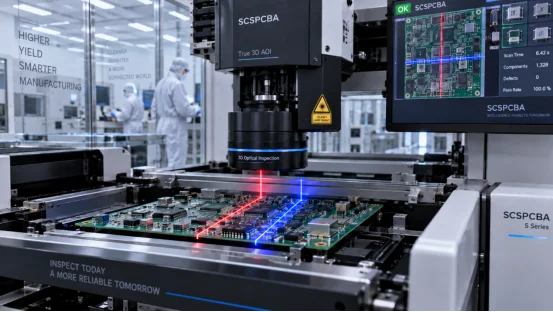
Incoming inspection checks component identity and condition. During SMT, 3D SPI checks solder-paste volume, thickness, offset, and bridging risk. AOI checks missing parts, polarity, shifted components, insufficient solder, and solder balls. X-ray inspection examines BGA or other hidden joints. These steps catch process drift while the lot is still on the line. Testing and inspection can be selected to match product risk and provide evidence throughout production.
Functional and Environmental Testing
ICT checks defined circuit nodes. FCT runs sensor response, display output, motor movement, or communication handshakes. Aging, temperature, humidity, vibration, and salt-spray tests model service conditions. The combination depends on enclosure, duty cycle, and safety role.
Traceability and Compliance
PCBA traceability connects incoming material, machine data, operator steps, repair records, and shipment information to a serial number or lot. An MES system can bind scanned materials to the board and support two-way searches during a field investigation. ISO 9001, IATF 16949, ISO 13485, IPC-A-610, RoHS, and REACH requirements can then be tied to records that a customer can review.
How Should You Approach Choosing a PCBA Manufacturing Partner?
Choosing a PCBA manufacturing partner calls for a process match. Review component range, board materials, assembly methods, inspection tools, test fixtures, engineering support, and the scale-up path. Ask how the supplier handles a BOM change, alternate component, first article, and repair decision.
Match Process to Risk
Prototype and low-volume builds need engineering feedback, DFM review, and a controlled first article. Volume production needs repeatable SMT, DIP, test, packaging, and shipment records. A turnkey PCBA route can include sourcing, PCB fabrication, assembly, testing, and box integration. PCB assembly services should show the process details behind the quote.
Plan the Supply Chain
Component shortages, long-lead parts, and design changes affect every application. BOM management, approved alternatives, and online production tracking give you earlier schedule information. EMS manufacturing services can connect sourcing, PCB, PCBA, testing, and finished-product work.
Where Can You Find Application-Specific PCBA Support?
Application needs become easier to manage when the same engineering record follows the board through sourcing, assembly, and verification. SCSPCBA supports PCB fabrication, SMT and DIP assembly, BGA soldering, functional testing, aging tests, and Box Build assembly across prototype, low-volume, and mass-production stages.
Its process range includes 01005 and 0201 placement, high-density boards, flexible and rigid-flex structures, and mixed technology builds. SPI, AOI, X-ray, ICT, FCT, environmental testing, and MES records give you evidence at each control point.
For products that need a finished enclosure or cable set, Box Build assembly extends the PCBA into a tested product unit. This combination fits projects where application risk, traceability, and a clear scale-up path matter as much as the board itself.
FAQ
Q1: What are the main applications of PCBA?
A: PCBA appears in consumer electronics, automotive and new energy systems, medical devices, industrial control, IoT, security equipment, AI computing, and communication hardware.
Q2: Why does PCBA design change by industry?
A: Each product has a different mix of heat, vibration, signal speed, size, power, service life, and compliance requirements, so the board stack-up, components, assembly method, and tests must match the use case.
Q3: Which tests are common for an industrial control PCBA?
A: SPI, AOI, X-ray, ICT, FCT, aging, and environmental tests are common. The final set depends on voltage, motor noise, cabinet conditions, and the required service life.
Q4: When does a turnkey PCBA service make sense?
A: It fits projects that need one managed flow for BOM sourcing, PCB fabrication, PCBA assembly, testing, and box integration, especially when schedule and traceability need one accountable route.
Q5: What should you check before selecting PCBA manufacturing services?
A: Check component and board capability, DFM support, inspection coverage, functional fixtures, environmental testing, traceability records, change control, and the supplier’s path from prototype to volume production.





Leave a Reply
Want to join the discussion?Feel free to contribute!